For Commercial
Solar lighting & photoluminescent marking for car parks, campuses & precincts
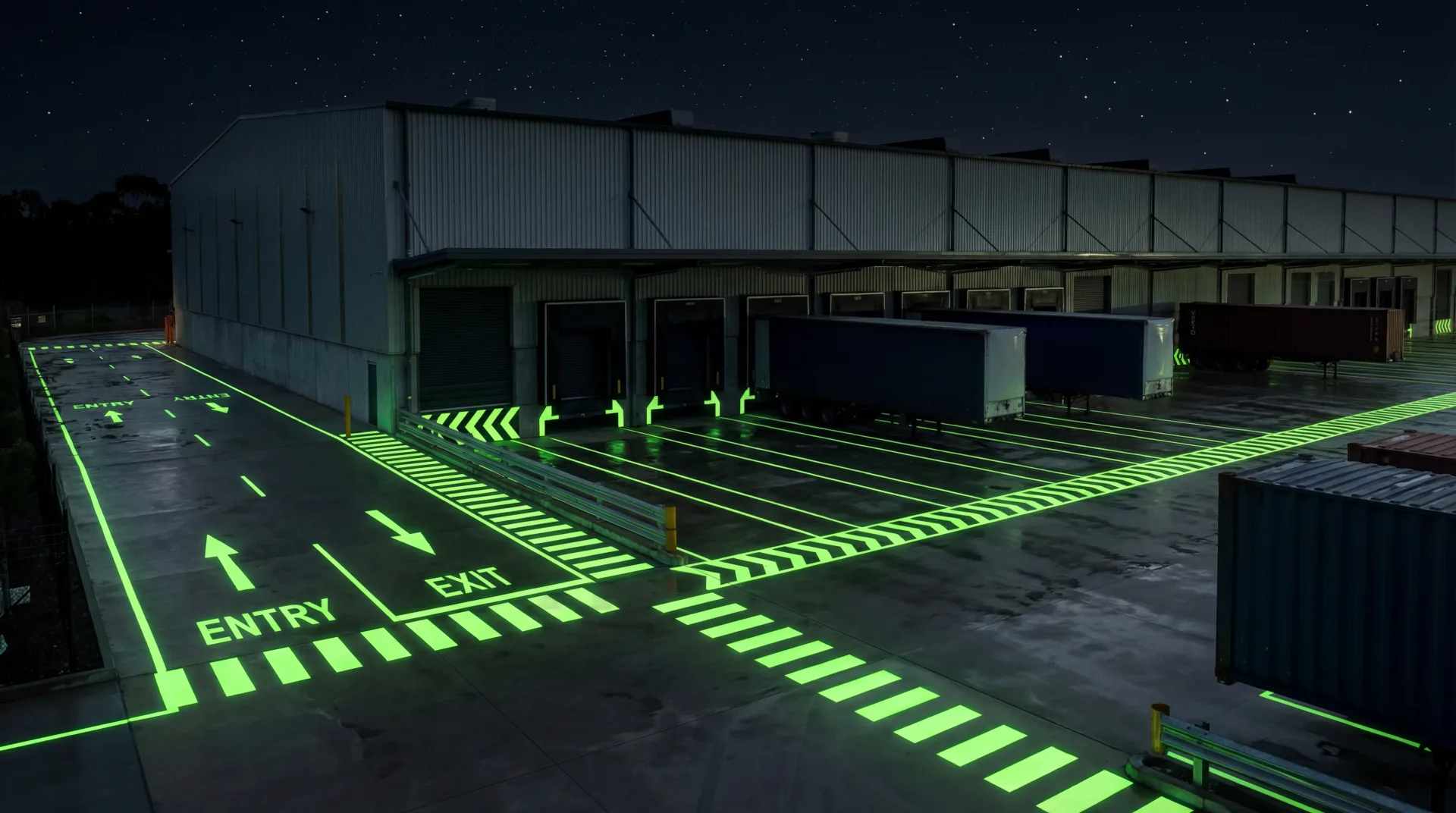
Commercial properties are reducing operating costs and strengthening sustainability credentials with solar lighting and LuminoKrom photoluminescent marking. NABERS Energy ratings measure actual energy consumption - solar pathway lighting eliminates electricity costs while LuminoKrom provides fail-safe visibility in underground car parks and emergency egress routes. Green Star certifications award points for on-site renewables and passive safety systems.
The Challenges You Face
Traditional lighting infrastructure is expensive, complex, and vulnerable.
Rising electricity costs impacting operational margins
NABERS Energy rating requirements for base building lighting
Green Star certification demands for on-site renewables
Staff and visitor safety expectations after dark
Maintenance overhead for aging lighting infrastructure
ESG reporting and sustainability target pressures
Get a Quote
Three simple steps to better outdoor lighting.
Share Site Details
Send photos, bay counts, and key risk zones (crossings, ramps, entries).
We Build a Quote
Receive a layout showing marking zones and optional solar bollard points.
Install & Improve
Roll out in stages to avoid disrupting operations.
Our Dual-Technology Approach
We combine advanced solar lighting with photoluminescent marking for a complete, resilient solution.
Solar Lighting
Active Illumination
Key Benefits
- Boost NABERS RatingsRemove external lighting from your energy meter to improve efficiency scores.
- Security & SafetyEnsure staff car parks and walkways are lit even during grid blackouts.
Common Use Cases
Photoluminescent
Passive Safety Marking
Key Benefits
- Fail-Safe EgressGuaranteed visibility for evacuation routes during total power failure.
- Clear ZoningDefine pedestrian zones and hazards clearly without confusing signage.
- Basement SafetyBright line marking in underground areas that charges from artificial light.
Common Use Cases
LuminoKrom Specifications
Technical specifications for photoluminescent marking in commercial applications.
Glow Duration
Up to 10 hours
Chemical Resistance
Oil, fuel, cleaning agents
Traffic Rating
Forklift and vehicle rated
Cure Time
Varies by substrate and conditions
Sustainability
Supports lower operational emissions
Lifespan
Varies by surface and traffic
Commercial & Car Park Lighting Implementation
For facility managers and commercial property owners, outdoor lighting is often a balance between security, running costs, and maintenance headaches. Retrofitting existing car parks with grid-connected lighting can be prohibitively expensive due to the need to cut and patch asphalt. Solar offers a "bolt-down" alternative.
Retrofitting Without Asphalt Surgery
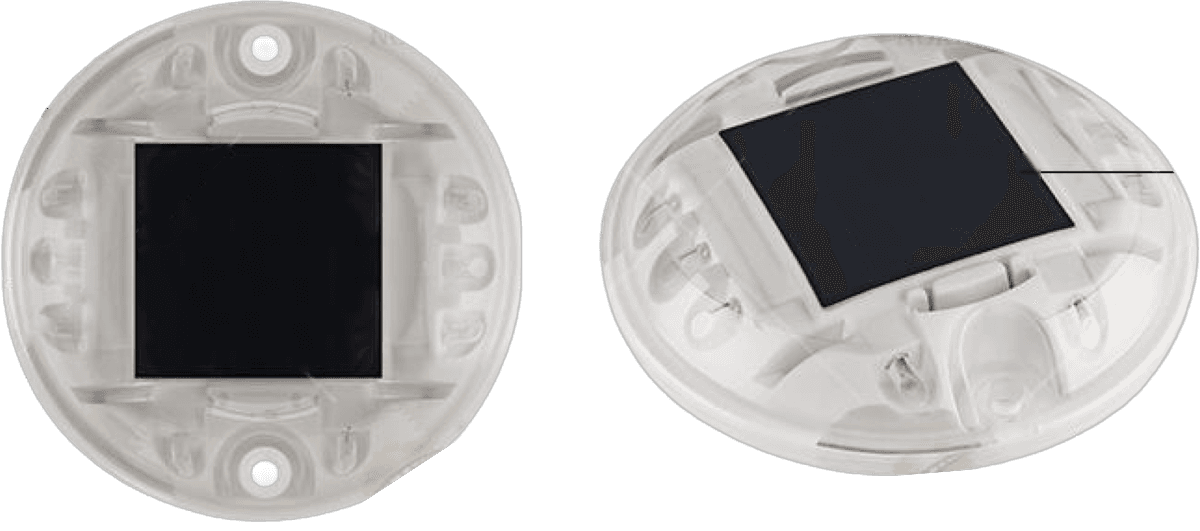
Installing new light poles in an existing car park traditionally involves cutting trenches through asphalt, laying cable, backfilling, and re-surfacing. This is noisy, messy, and disrupts tenant parking. Solar lights like the SO-AREA or SO-LUNA series are self-contained. Installation simply involves bolting the pole to the existing surface (or a new footing). A typical car park retrofit can be completed in a weekend with minimal impact on weekday tenants.
Reducing Base Building Energy Load
External lighting often runs for 12 hours a day, 365 days a year. By switching car park and pathway lighting to solar, you remove this entire load from your main meter. For commercial assets targeting NABERS ratings, this reduction in "Base Building" energy consumption can contribute to a better star rating. It also acts as a visible hedge against rising commercial electricity tariffs.
Security & Liability
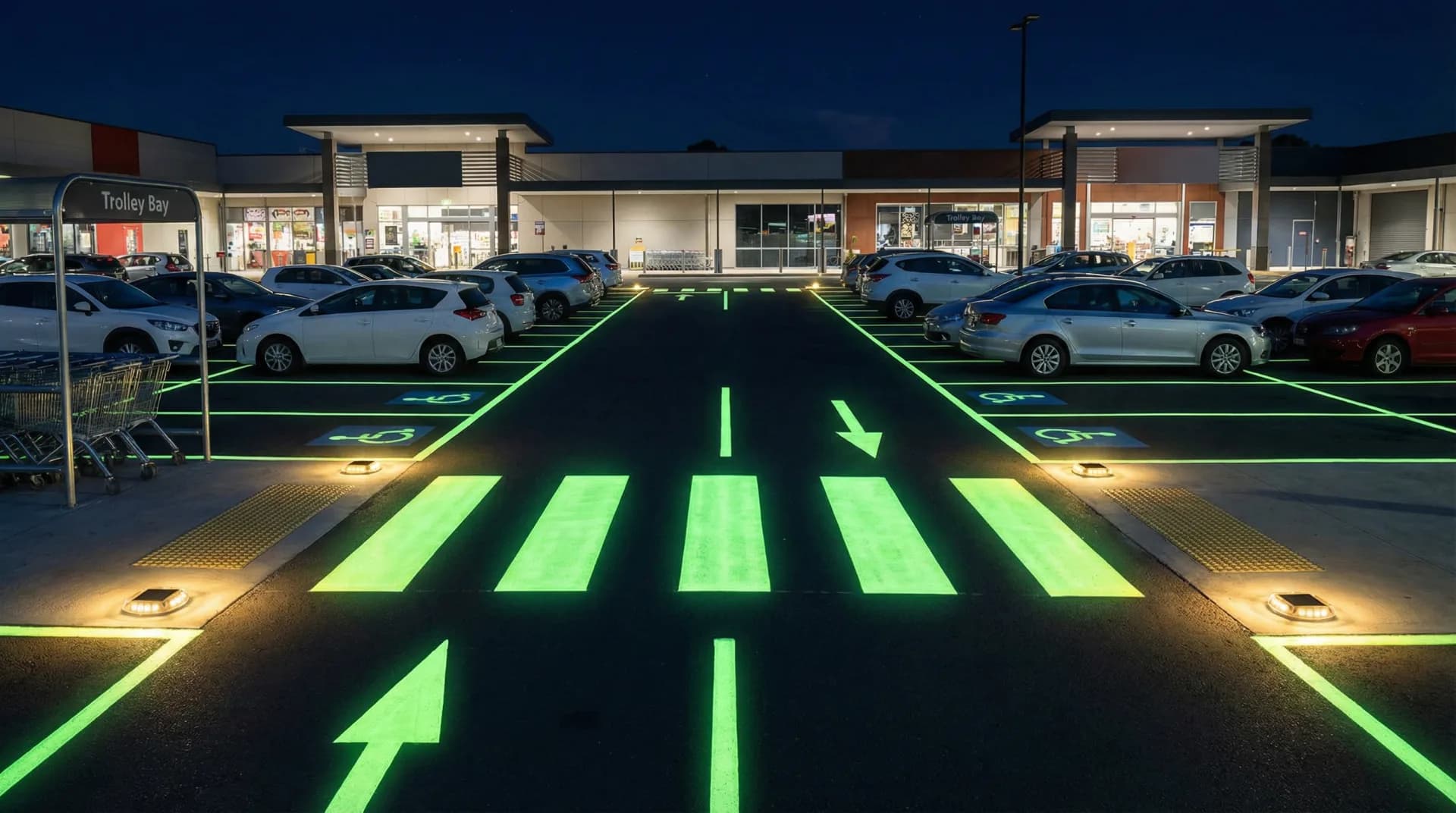
Dark corners in car parks are a liability risk. Solar lighting provides consistent dusk-to-dawn illumination. Our systems often include motion sensors that step up brightness when a car or pedestrian approaches, providing both energy efficiency and a "security alert" effect. LuminoKrom adds a layer of passive safety, clearly marking pedestrian crossings and speed humps even if a vehicle blocks the light source.
Common Questions
Can we install these on existing concrete?
Yes. Most commercial projects bolt directly to existing concrete pathways or hardstands using chemical anchors. For asphalt car parks, a small concrete footing is usually poured first for stability.
Do these lights stay on all night?
Yes. Our standard profile is dusk-to-dawn operation. Many models also feature a "dim + sensor" mode, where the light stays at 30% brightness (sufficient for security) and jumps to 100% when motion is detected.
What maintenance is required?
Very little. Rain usually keeps the panels clean. In very dusty industrial areas, a hose-down once a year is recommended to maintain peak charging efficiency.
How long does the glow last?
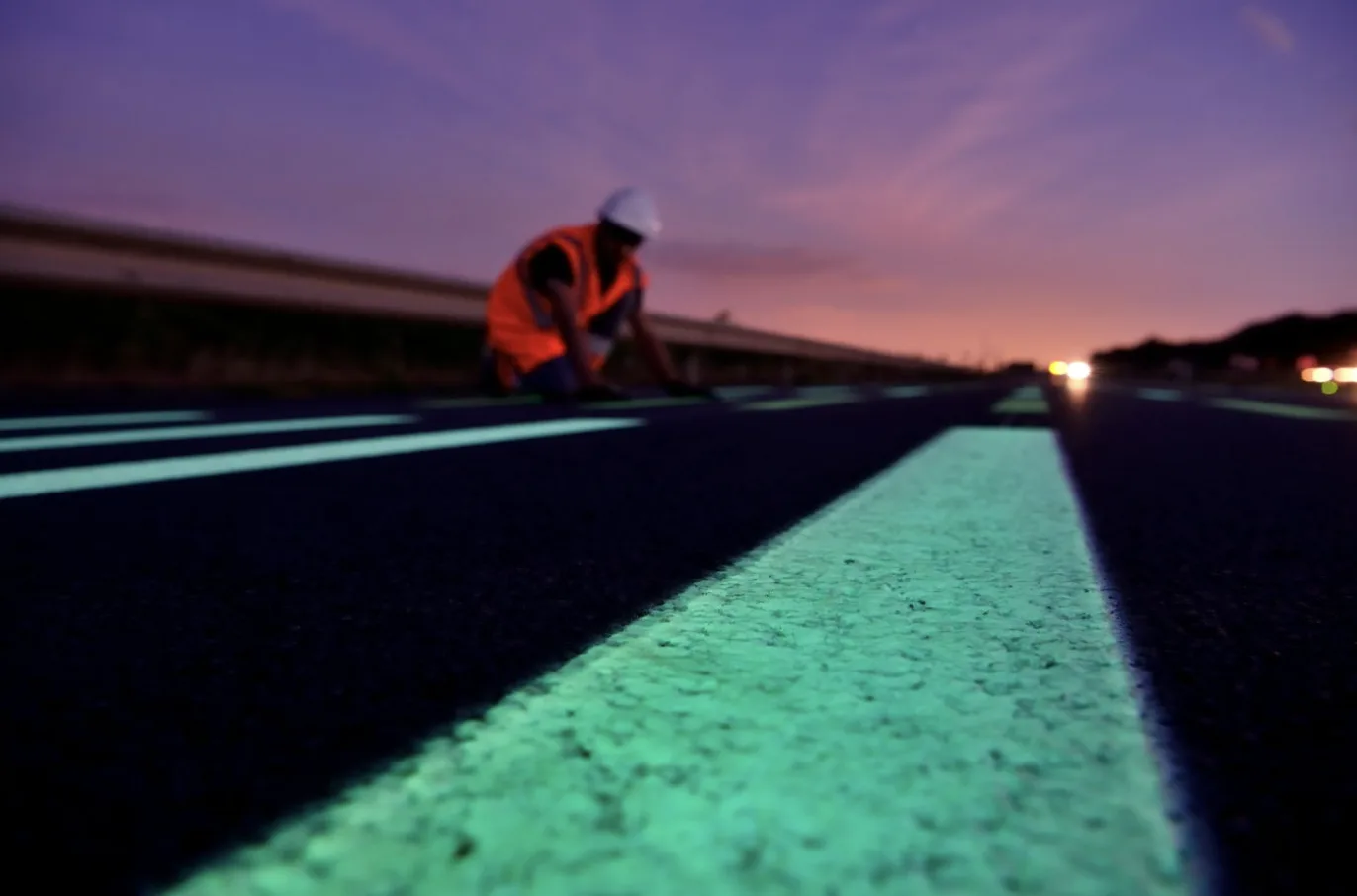
LuminoKrom can provide visibility for hours after charging, with duration varying by conditions and surface.
Can we stage the installation?
Absolutely. Many sites start with priority zones like crossings, stairs, and high-traffic bays.
Is this suitable for WHS or ESG goals?
Yes. Passive wayfinding supports safety outcomes and reduces ongoing energy use.
Does it work in underground car parks with no natural light?
Yes. LuminoKrom can charge from artificial lighting sources, making it effective in underground environments.
How does it handle oil and fuel spills?
LuminoKrom is chemical and oil resistant, designed to withstand exposure to fuel, oil, and common cleaning agents.
Will it contribute to our Green Star rating?
Yes, photoluminescent marking can contribute to Green Star sustainability credits by reducing reliance on powered emergency lighting.
Recommended Products
Products commonly used for commercial applications.
Related Articles
Guides and insights for commercial applications
Ready to Get Started?
Tell us about your commercial project and we'll recommend the best products for your needs. No obligation.