Storm Season
Zero electricity costs, even in emergenciesDon't get caught in the darkBe prepared
Back to Blog
Camping & 4WD
20 January 20266 min read

Camping & 4WD Solar Lighting Setup Guide

15.2 million camping trips in 2024. Learn how to set up reliable solar lighting for campsites, 4WD touring, and remote Australian adventures.

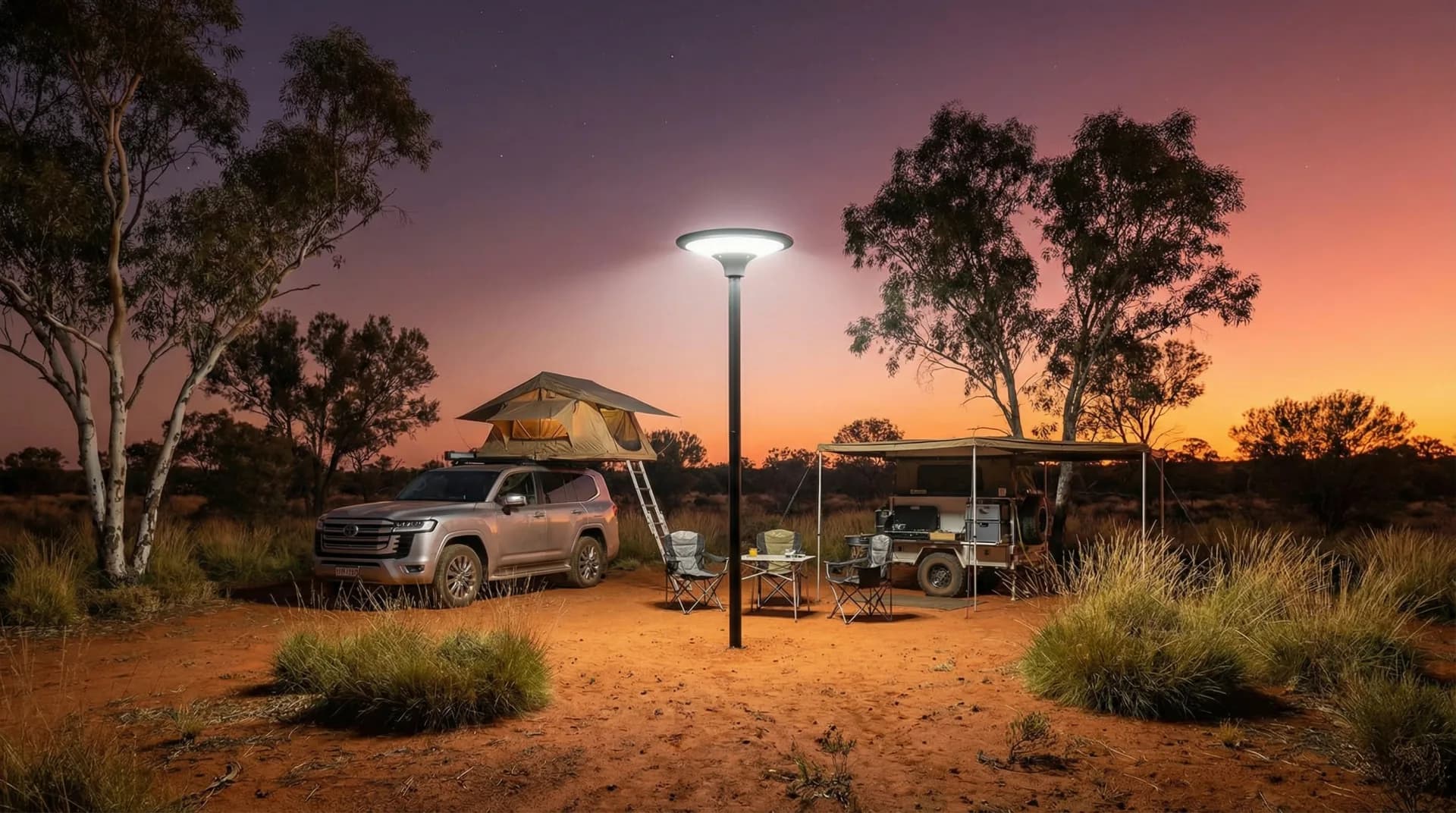
Australian campsite with solar lights around tent and 4WD vehicle at dusk in the outback

Solar lights transform remote campsites without draining your vehicle battery

Australia's Camping Boom

Australia is a nation of campers. Tourism Research Australia data shows 15.2 million caravan and camping trips in the year ending December 2024—the second-highest on record. Annual spending hit $14 billion, with 90% of those trips heading to regional Australia.

Whether you're setting up a base camp for a week's 4WD touring, doing a quick overnight at a bush site, or glamping with all the comforts, lighting is essential. But running your vehicle battery down with spotlights isn't the answer. Solar camping lights provide independence and reliability.

Campsite Lighting Needs

Kitchen/Cooking
Overhead ambient light for food prep, dining, and socialising
200-400 lumens
Task Lighting
Directional light for cutting, reading maps, or equipment maintenance
100+ lumens
Pathways
Ground-level marking between tent, vehicle, and amenities
20-50 lumens
Tent Interior
Soft light for changing, reading, and finding gear
50-100 lumens
Perimeter
Security and wildlife awareness around camp boundaries
100-200 lumens
Ambiance
Flame-effect or warm lights for relaxing evening atmosphere
Variable

Fire Ban Alternative: Solar Flame Lights

Total fire bans are increasingly common across Australia. In 2023-24, multiple states experienced extended fire ban periods during summer. This means no campfires—but it doesn't mean no atmosphere.

Solar flame-effect lights simulate the flicker and glow of real fire without any actual combustion. They produce no heat, smoke, or spark risk, making them compliant with fire ban regulations while still creating that campfire ambiance that makes evenings in the bush special.

Why Flame-Effect Lights for Camping

Safety Benefits
  • • Fire ban compliant (no real flame)
  • • No smoke inhalation or sparks
  • • Safe around children and tents
  • • No firewood collection needed
Practical Benefits
  • • Solar powered—no fuel to carry
  • • 8-12 hours runtime per charge
  • • Lightweight and portable
  • • Instant on/off (no fire starting)

Maximising Solar Charging at Camp

Position for morning sun
Set up lights where they will receive direct sun from early morning. This ensures a full charge before the evening.
Angle panels northward
In Australia, north-facing solar panels maximise sun exposure. Adjustable panel mounts help optimise charging.
Clear obstructions
Remove leaves, dust, or debris from panels. Even partial shading significantly reduces charging efficiency.
Account for cloudy days
Charging is slower in overcast weather. On multi-day trips, carry a USB backup charger for critical lights.
Use low mode for extended runtime
High mode provides more light but drains batteries faster. Use low/medium modes when full brightness is not essential.

Why Solar Over Vehicle Power

Preserve Vehicle Battery

Running lights from your 4WD battery risks leaving you stranded. Solar lights are completely independent.

Place Anywhere

No cables or cords to trip over. Place lights wherever needed around your campsite.

Reliable in Remote Areas

No fuel to carry, no generators to maintain. Sunlight is available everywhere.

Silent Operation

Enjoy the sounds of the bush without generator noise. Solar lights are completely silent.

Setting Up Your Camp Lighting

1
Establish your kitchen area first
Set up your main solar lantern where you will prep food and eat. This is where you need the most light.
2
Mark the path to amenities
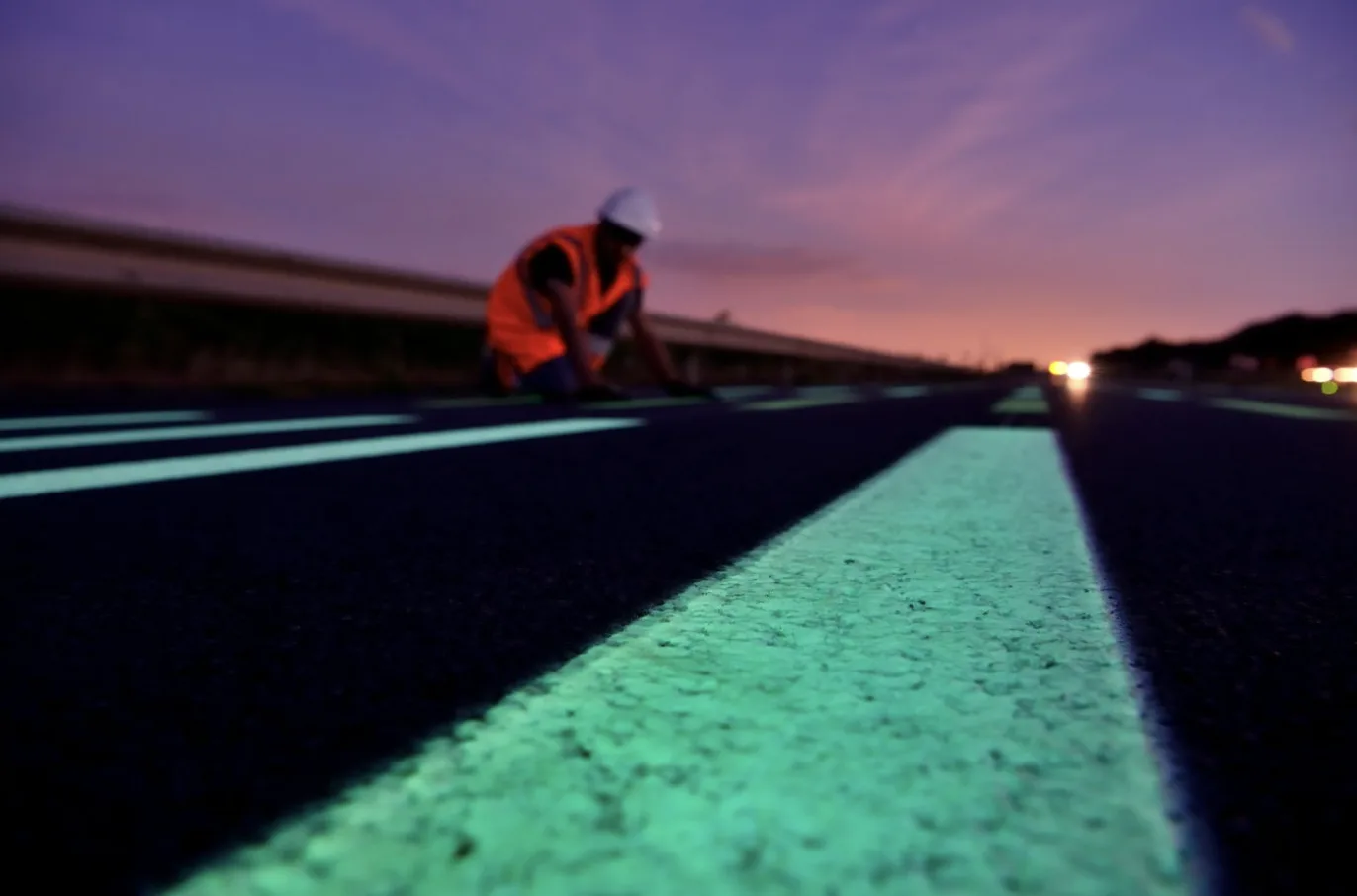
If the toilet or water source is away from camp, place low ground markers or photoluminescent stakes along the route.
3
Position lights for solar exposure
Before unpacking everything, note where sunlight will hit throughout the day. Place lights in charging-friendly spots.
4
Set up atmosphere lighting
Place flame-effect or warm lights near seating areas. These create relaxed ambiance for evening conversations.
5
Consider wildlife visibility
Low perimeter lights help you see approaching animals and reduce the chance of surprise encounters.
6
Keep a torch/headlamp accessible
Solar ambient lighting covers general needs, but always have a directional light for tasks and emergencies.

Key Takeaways

  • 15.2 million Australians went camping in 2024—reliable lighting is essential for safe, comfortable trips
  • Solar lights preserve your vehicle battery for starting, not entertainment
  • Flame-effect lights avoid open flames; always check local fire rules
  • Position lights for morning sun exposure to ensure full charge by evening
  • Layer lighting: bright for tasks, medium for ambient, low for pathways
  • Photoluminescent markers provide passive wayfinding with zero power draw

Sources & References

[1]
Caravan and Camping DataTourism Research AustraliaView source
[2]
Domestic Tourism ResultsTourism Research AustraliaView source
[3]
Australian Caravan Industry StatisticsCaravan Industry AssociationView source
[4]
Camping and Campfire GuidelinesParks AustraliaView source

Light Up Your Next Adventure

Portable solar lighting for campsites, 4WD touring, and off-grid adventures. Charges during the day, lights your camp at night.

This article was researched and written with the assistance of AI tools. While we strive for accuracy and cite official sources, information may change. We recommend verifying critical details with relevant authorities. This content is for general information only and does not constitute professional advice. Some links in this article may be affiliate links — if you purchase through them, we may receive a small commission at no extra cost to you, which helps support our content. See our Terms & Conditions for full disclaimer.