The Electricity Cost Crisis in Australian Caravan Parks
According to the Queensland Competition Authority's 2024-25 review, electricity represents 4.5% to 10.4% of total operating costs for caravan parks — with an average of 7.5% in Queensland. That places it among the top five expense categories for most operators.
But the headline percentage masks a deeper structural problem: fixed costs (demand and service charges) make up 44% to 75% of electricity bills for large energy users like caravan parks. Unlike variable consumption charges that scale with occupancy, these fixed costs remain unchanged whether you're at 70% capacity in January or 25% in June.
This creates a punishing dynamic for seasonal operators. During off-peak periods with low occupancy, you're still paying substantial fixed electricity costs with reduced revenue to cover them.
The Regional Pricing Penalty
The Caravan Parks Association of Queensland (CPAQ) submission to the QCA highlighted a stark reality: regional caravan parks pay an average of 73% more for electricity than their metropolitan counterparts.
Regional Parks
$0.250/kWh
Fixed costs: 44-75% of bill
Limited retailer competition (often single provider like Ergon Energy), higher distribution costs
Metropolitan Parks
$0.144/kWh
Fixed costs: 25-40% of bill
Lower rates but still significant bills for large sites with amenities blocks
For many regional parks, the metro/regional pricing gap can materially change operating costs. Eliminating consumption-based lighting costs with solar is one way to reduce exposure.
Why Solar Lighting Makes Financial Sense
Solar pathway and area lighting addresses the core economics problem: it converts a variable monthly expense into a one-time capital investment with zero ongoing electricity costs.
Zero Running Costs
Unlike grid-powered lighting that adds to your monthly bill regardless of occupancy, solar lights charge from sunlight and cost nothing to operate.
Seasonal Cash Flow Match
Pay once at installation, then zero ongoing costs. Your lighting expenses don't spike during peak season or drain reserves during off-peak.
Storm Resilience
Coastal caravan parks are vulnerable to storm outages. Solar lights with battery backup keep pathways illuminated when grid power fails.
Guest Safety 24/7
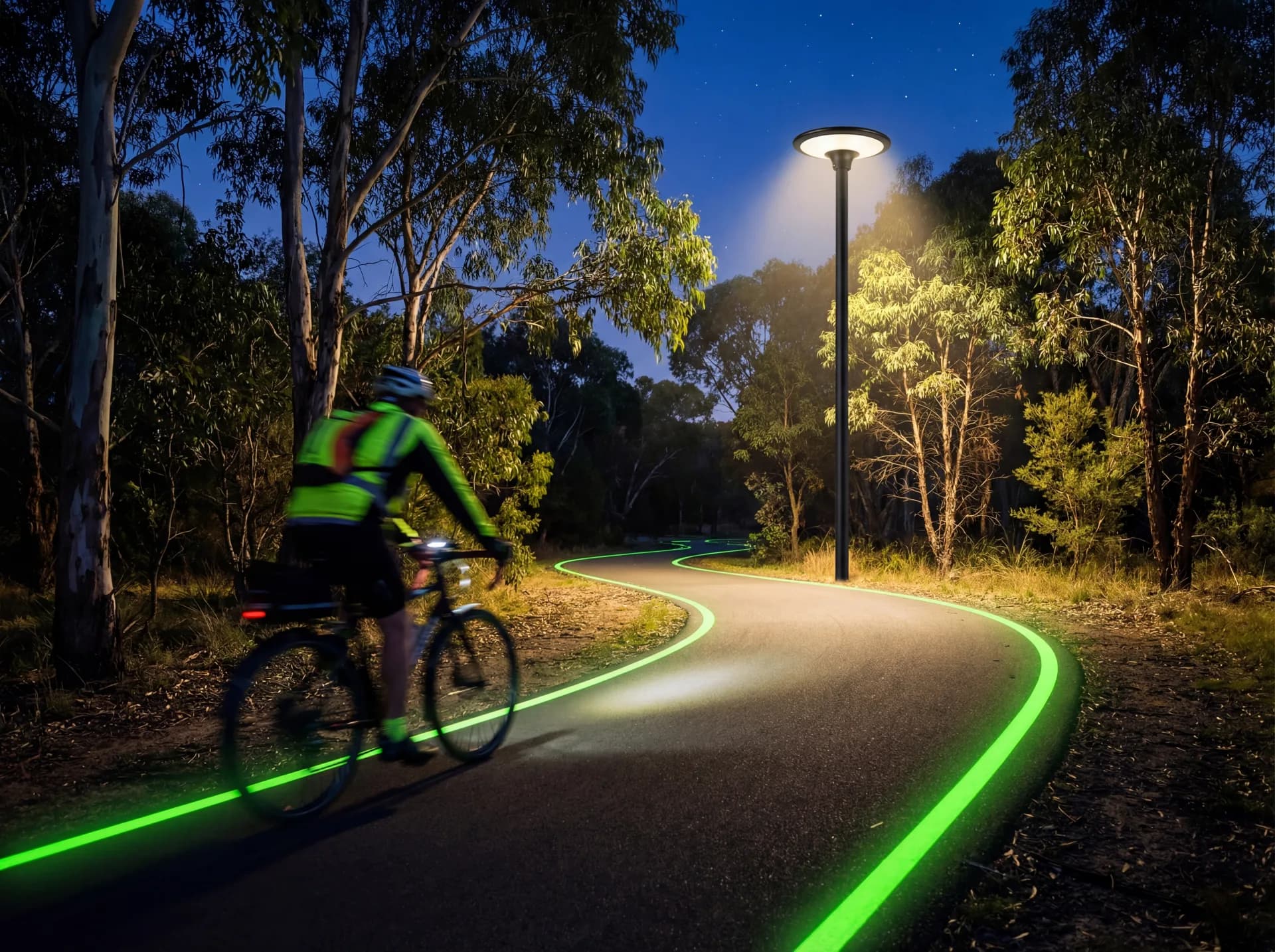
Illuminate pathways, amenities blocks, and car parks without running cables. Reduce trip hazards and improve guest confidence.
Storm Resilience: When the Grid Fails
Coastal caravan parks face an additional risk: storm-related power outages. Australian storm season (October–March) coincides with peak caravan park season, creating a vulnerability that directly impacts guest safety and experience.
Coastal Storms
(Recent seasons)Severe weather has caused widespread outages in coastal regions during peak holiday periods.
Victorian Storms
(February 2024)Over 500,000 customers lost power. Some areas experienced multi-day outages.
Solar lights with integrated battery storage operate independently of the grid. When power fails, your pathways, amenities surrounds, and emergency assembly points remain illuminated. This isn't just a convenience — it's a duty of care issue for guest safety.
Where to Deploy Solar Lighting in Your Park
Not all areas require the same lighting solution. Here's a practical guide to matching products to park zones:
Internal Roads & Speed Humps
Recommended: Solar road studs, Solar bollards
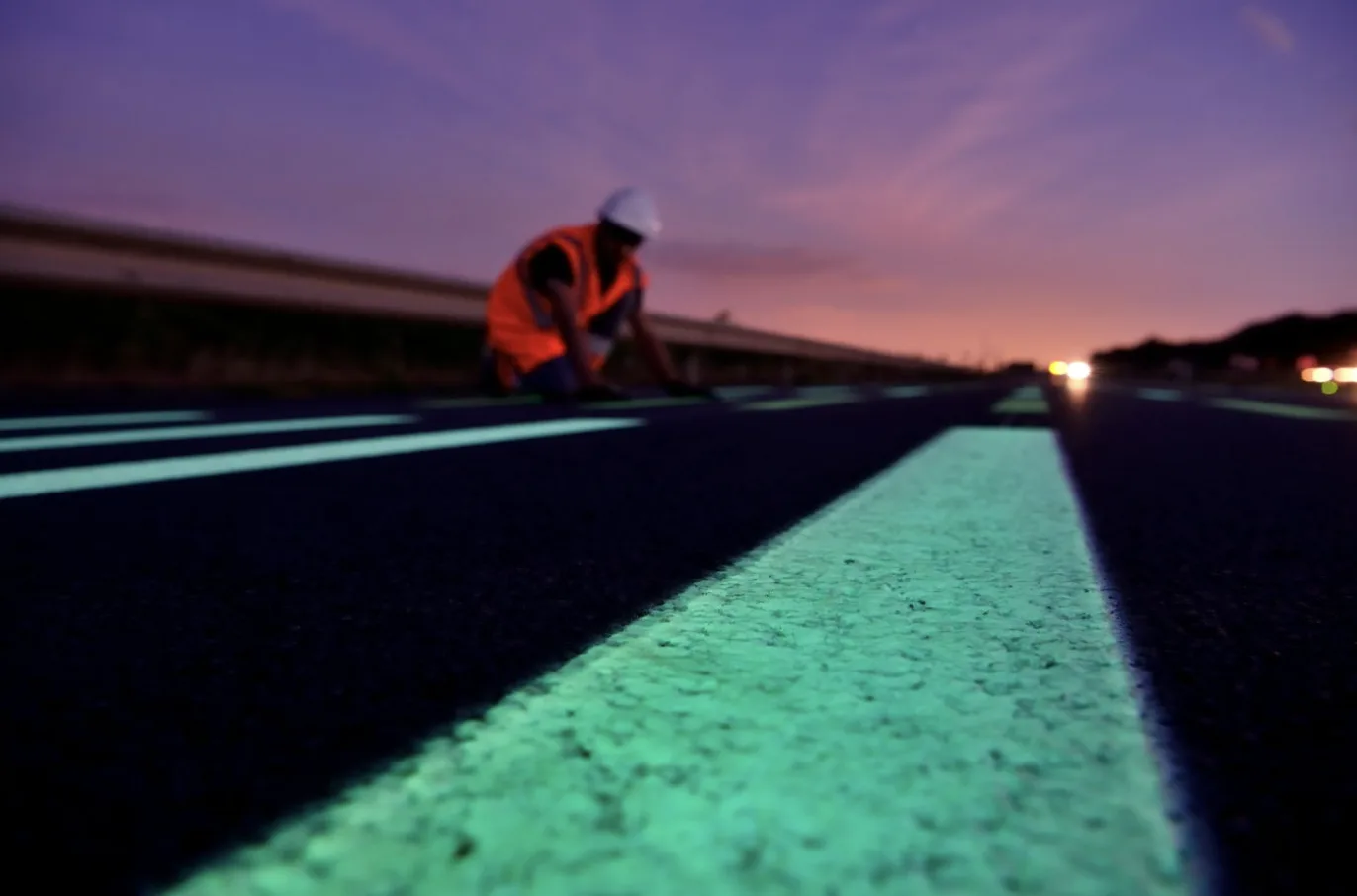
Mark speed humps and intersections without trenching — guests see hazards from their vehicle
Amenities Block Surrounds
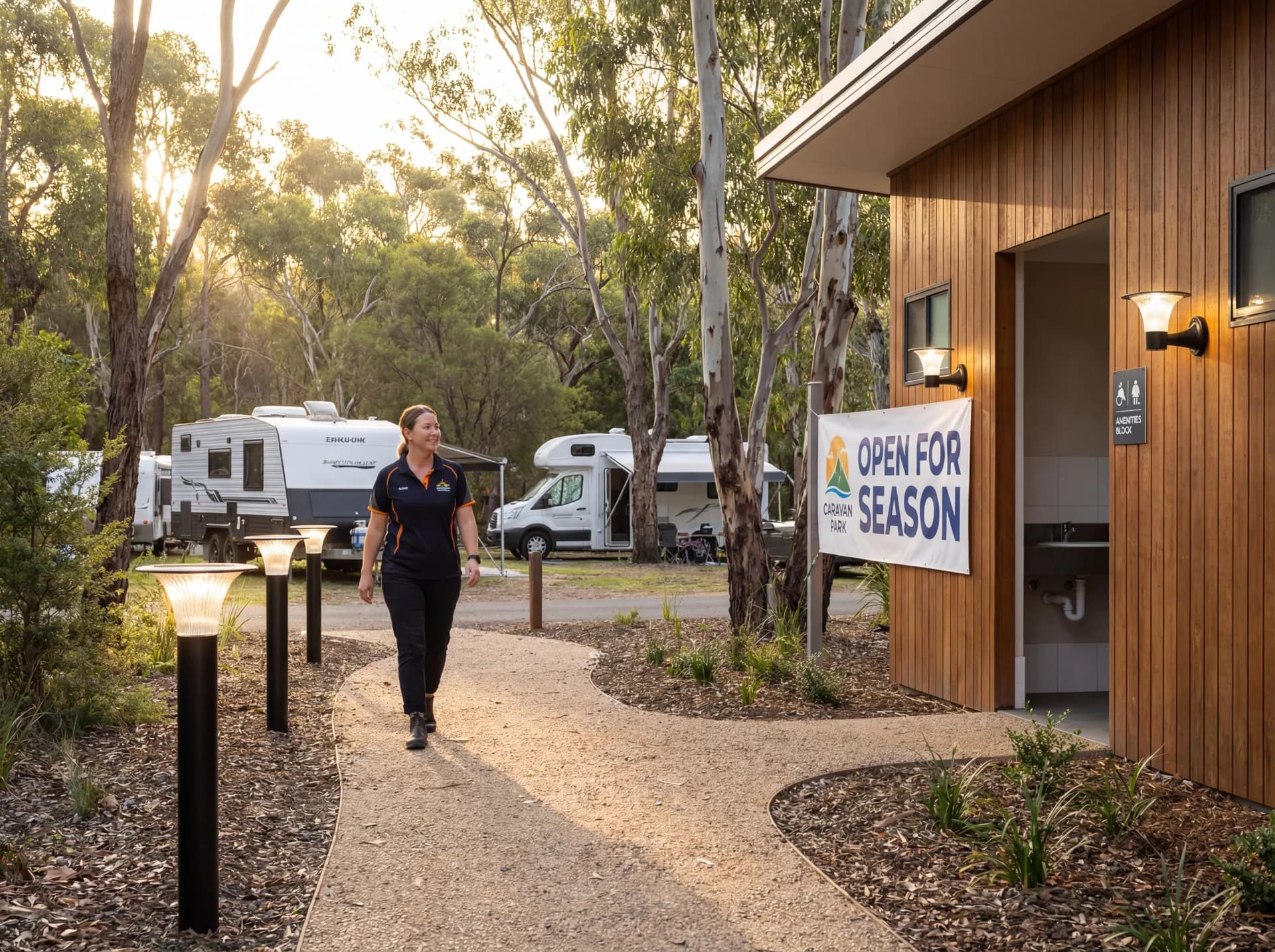
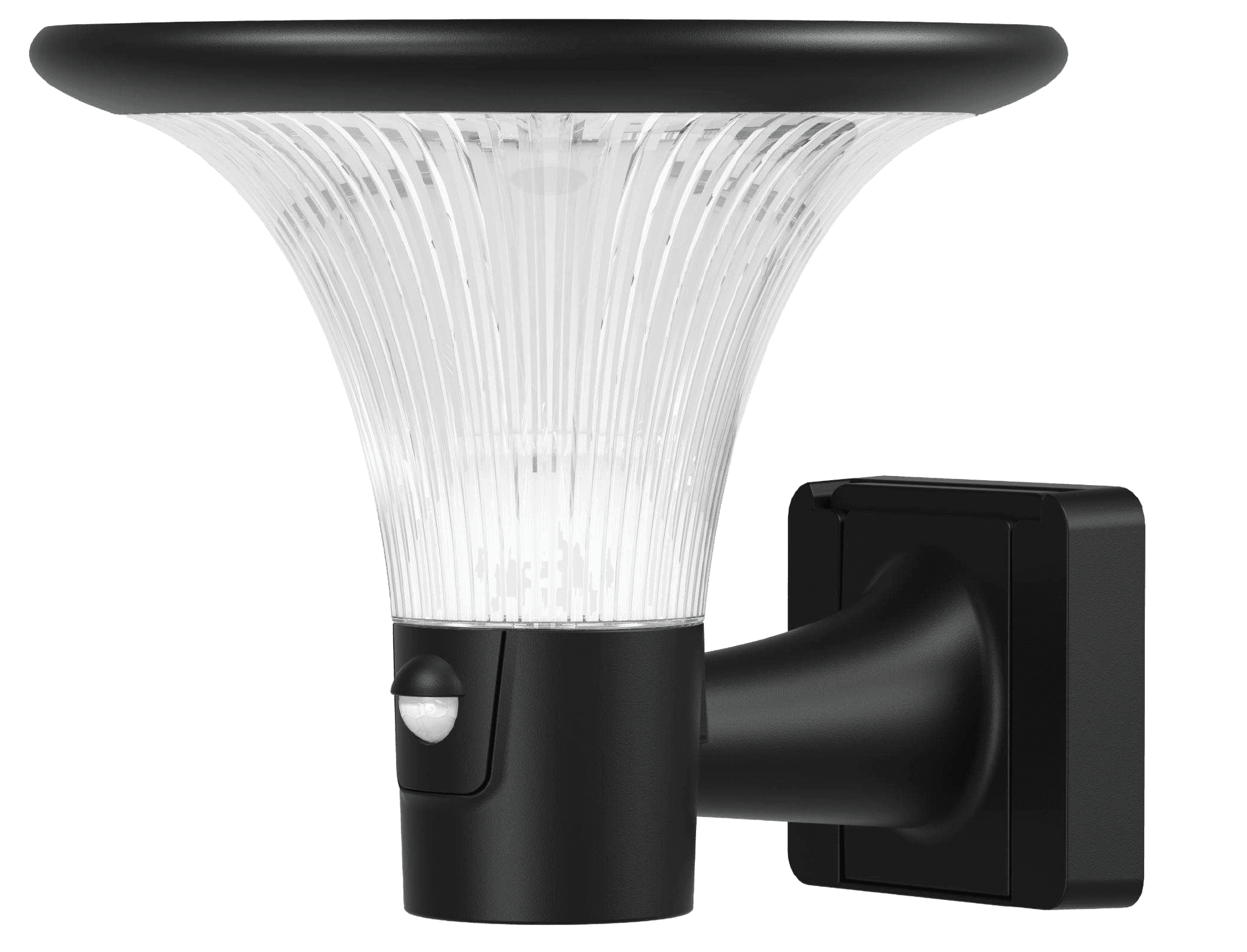
Recommended: SO-LUNA Wall, Solar bollards
Motion-activated lighting for late-night bathroom trips, no fumbling with torches
Camp Kitchen & BBQ Areas
Recommended: SO-AREA, Flame lights
Area coverage for cooking and dining, decorative flame ambience for atmosphere
Pool & Recreation Areas
Recommended: SO-LUNA Bollard, Pathway markers
Define pool fence perimeters and pathways, meet safety compliance requirements
Car Park & Reception
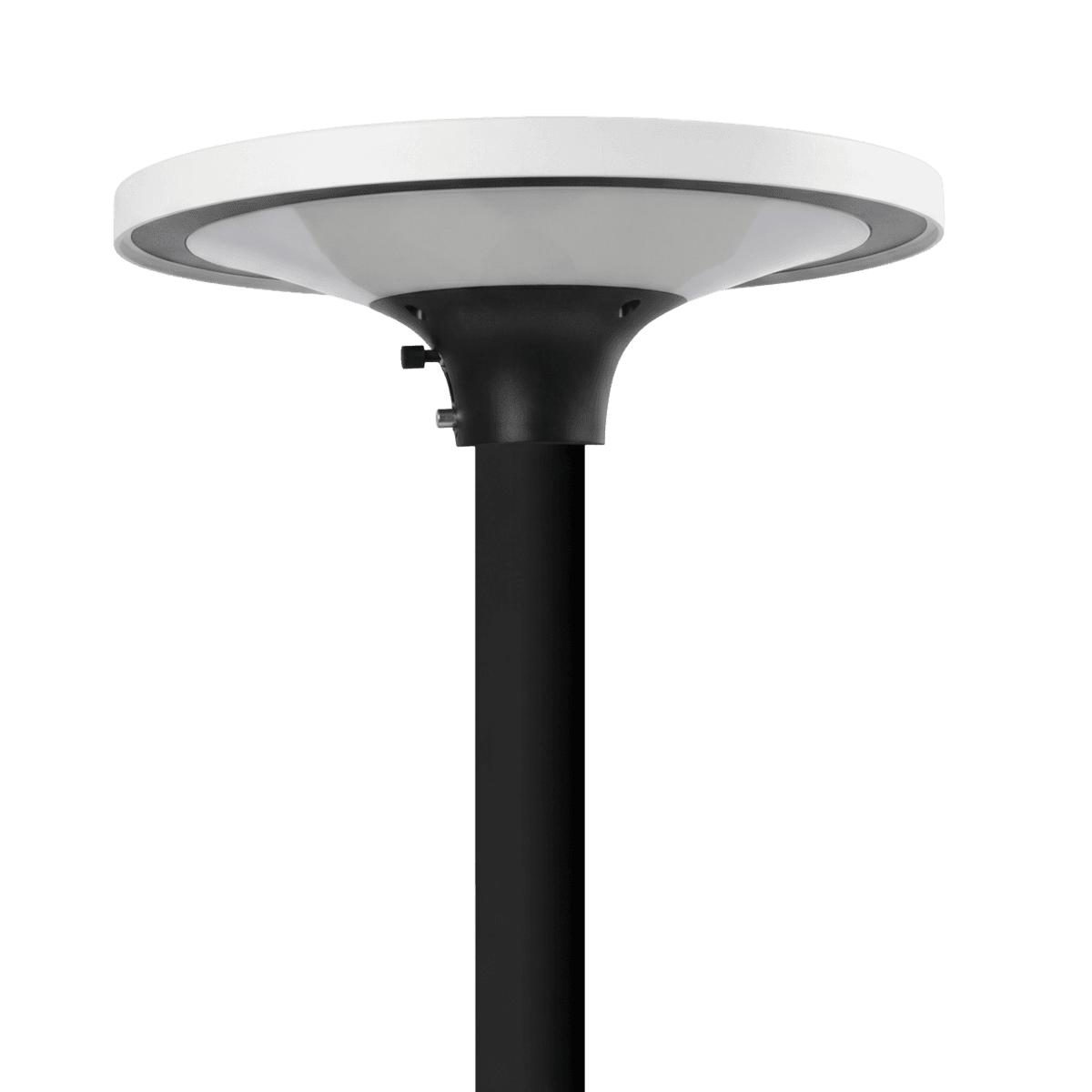
Recommended: SO-AREA, Wall lights
Welcome lighting for late arrivals, security coverage for vehicle areas
Recommended Products for Caravan Parks
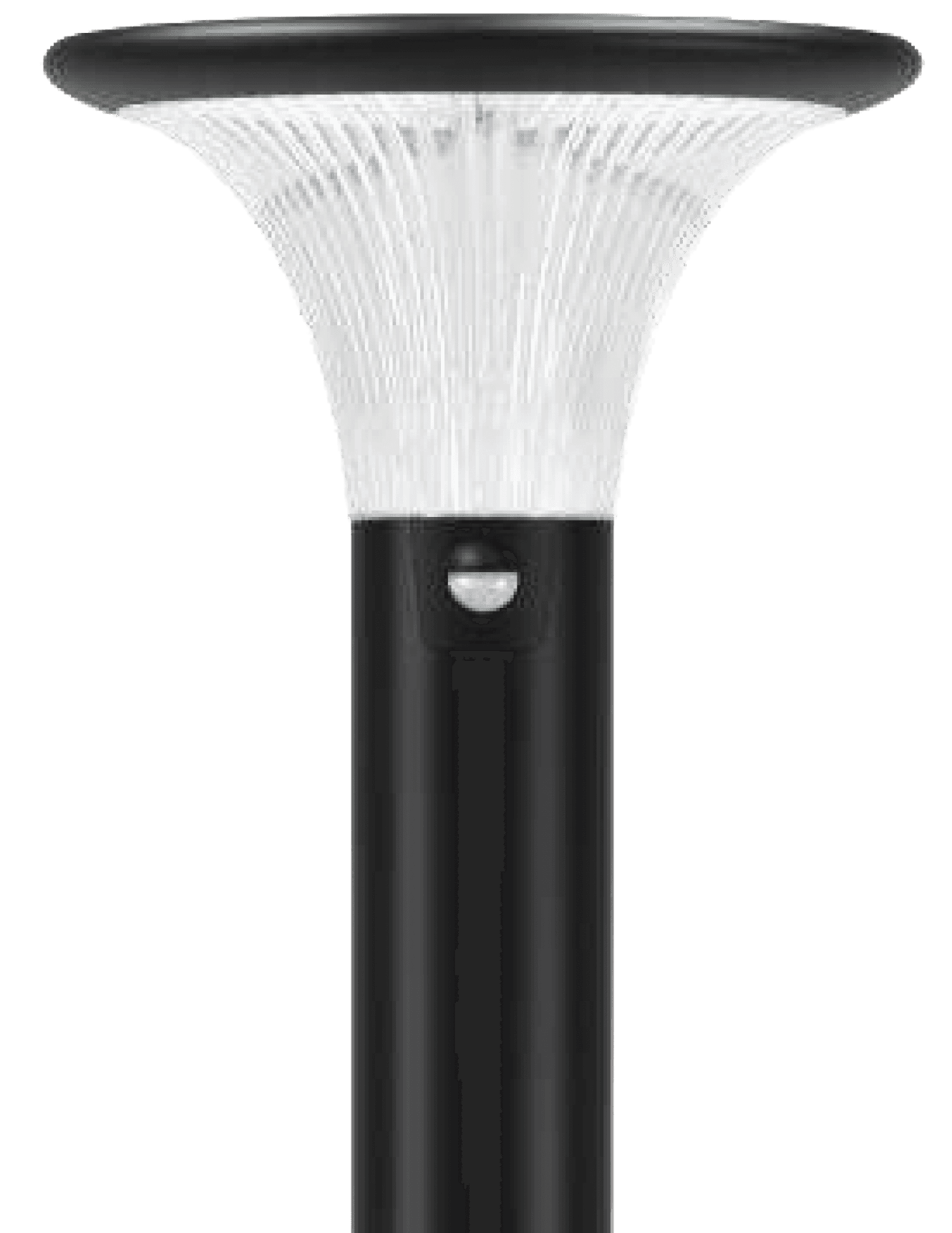
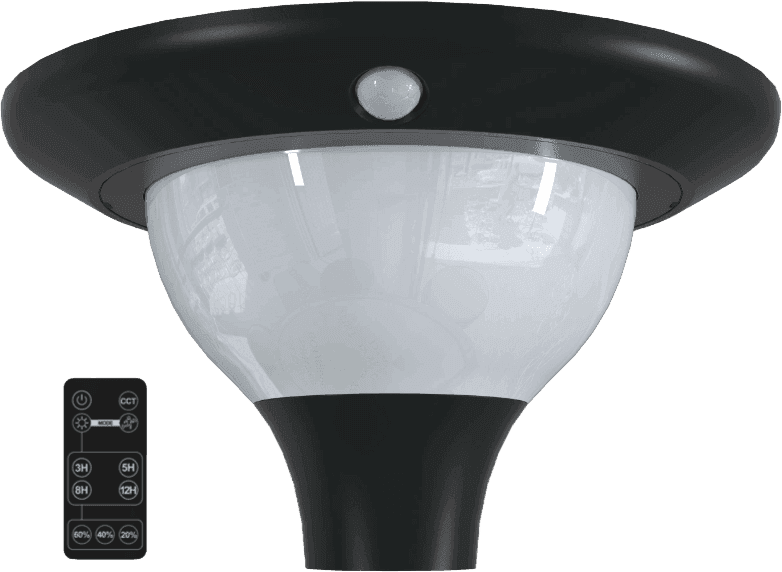
These commercial-grade solar lights are designed for the demands of holiday park environments: high foot traffic, Australian weather extremes, and low-maintenance operation.
Implementation Tips for Park Operators
- 1Start with high-traffic common areas — amenities blocks, camp kitchens, and pool surrounds see the most foot traffic and provide the best guest experience return on investment.
- 2Use motion sensors in accommodation areas — guests don't want constant bright lighting outside their van or cabin. Motion-activated lights provide illumination when needed without disturbing sleep.
- 3Consider solar road studs for speed humps — solar road studs are a cost-effective way to highlight speed control devices and intersections. Guests see them from inside their vehicles.
- 4Install before peak season — solar lights need a few days of sun to fully charge. Install and test in early November so you're ready for the December–January rush.
- 5Clean panels quarterly — dust, bird droppings, and pollen reduce charging efficiency. A quick wipe with a damp cloth during your regular maintenance rounds keeps performance optimal.