Industrial Yard Lighting for Night Shift Safety
Proper lighting supports night shift worker alertness, confidence, and productivity. Learn how commercial solar lighting improves work environments and meets WHS requirements.
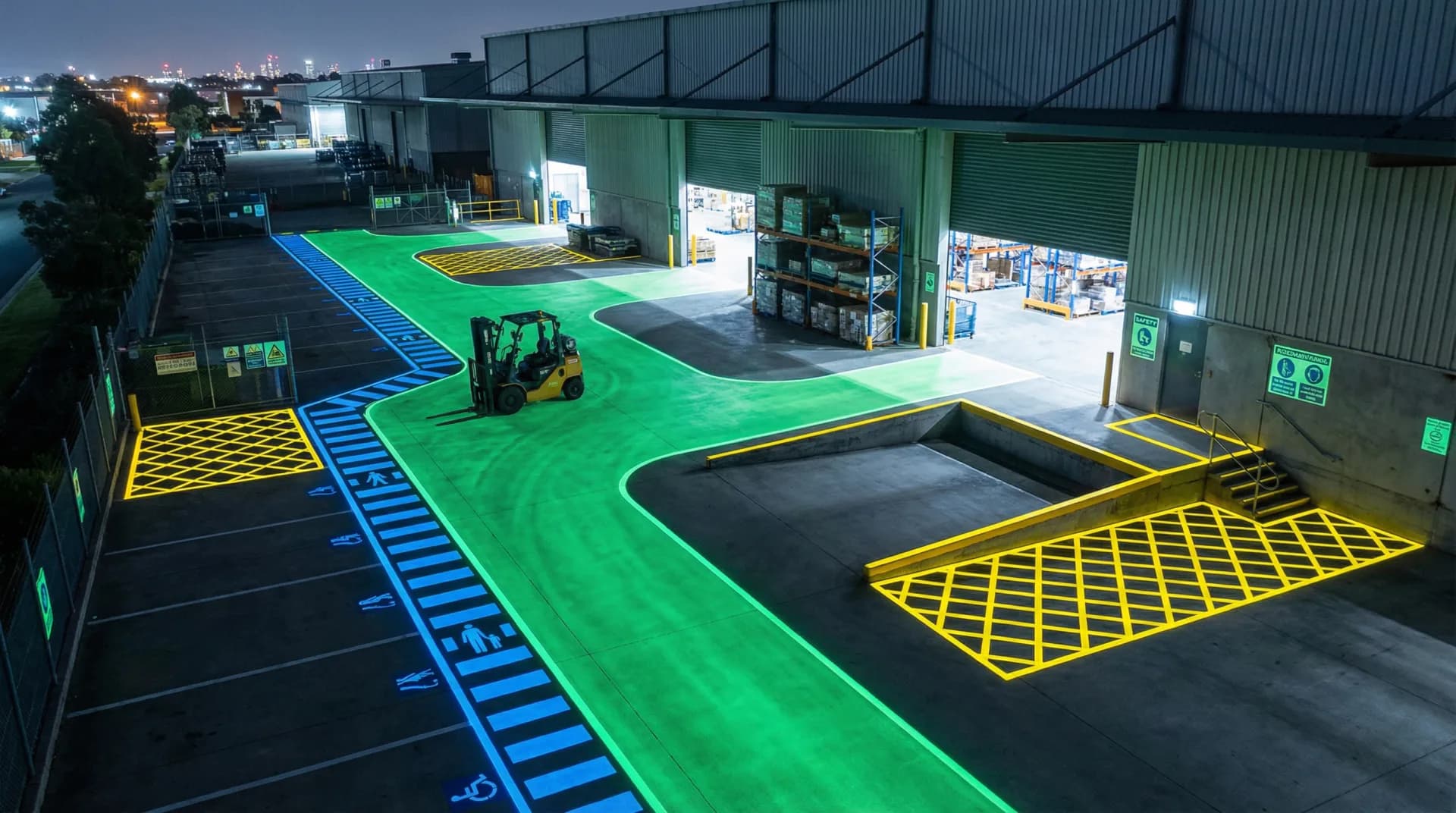
Modern solar area lights provide consistent illumination for industrial operations without grid dependency
The Night Shift Safety Challenge
Australian industrial operations increasingly run around the clock. Warehouses, distribution centres, manufacturing plants, and logistics yards rely on night shift workers to maintain productivity. Creating the right working environment — including proper lighting — is essential for supporting these workers.
Safe Work Australia recognises that adequate lighting is a key control measure for shift workers. Well-lit environments support alertness, visibility, and overall workplace comfort.
Supporting Night Shift Worker Wellbeing
Source: Safe Work Australia guidance on shift work and workplace lighting
Lighting Standards for Industrial Yards
Australian Standard AS/NZS 1680.1 provides minimum illumination requirements for industrial workplaces. Meeting these standards isn't just about compliance—it directly impacts worker safety and operational efficiency.
Industrial Lighting Requirements (AS/NZS 1680.1)
Benefits of Solar Industrial Lighting
Grid Independence
Operates during power outages, storms, and grid failures when safety lighting is most critical
Zero Trenching
Install anywhere in the yard without expensive cabling or disruption to operations
Zero Energy Costs
Eliminate thousands annually in electricity costs for yard lighting
Consistent Coverage
Motion sensors ensure full brightness when workers are present, dimmed standby otherwise
Industrial Yard Lighting Checklist
- Overhead area lights
- Motion activation
- Min 100 lux at ground
- Path marker lights
- Intersection lighting
- Clear sightlines
- Bollard lighting
- Entry/exit illumination
- Emergency egress paths
- Rack aisle lighting
- Signage illumination
- Hazard area marking
7 Steps to Safer Night Shift Operations
Key Takeaways
- Proper lighting improves night shift worker alertness and confidence
- Lighting should be designed to meet applicable AS/NZS standards for the specific area
- Solar industrial lights eliminate trenching costs and operate during power outages
- Visibility improvements support productivity and operational efficiency
- Motion-sensing lighting can balance worker comfort with energy use
Industrial-Grade Solar Lighting Solutions
High-output solar lights engineered for demanding industrial environments
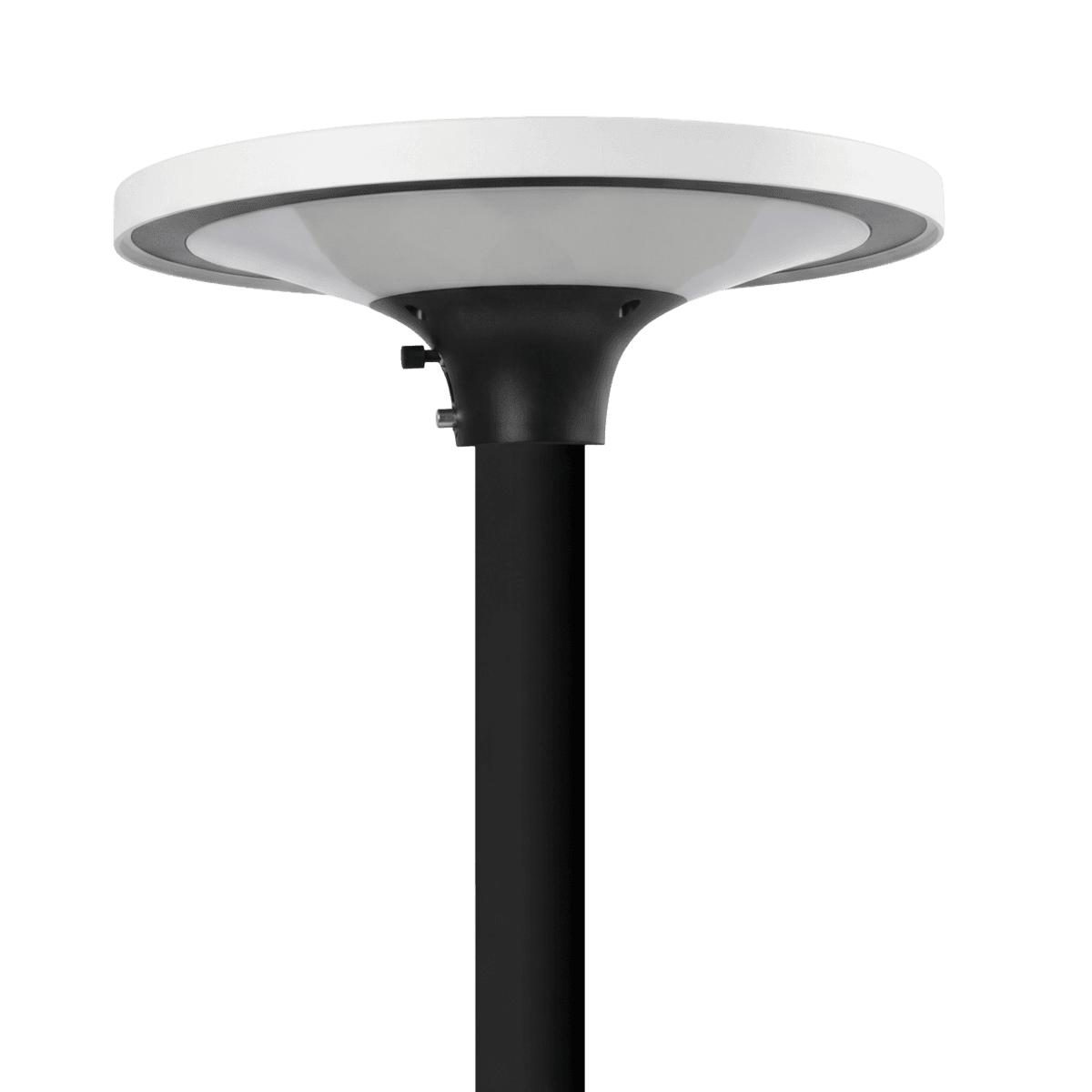
Area Light 20W
High-lumen solar area light with intelligent working mode
$288.00AUD
Postage + GST included

LuminoKrom Path Paint
Photoluminescent path marking paint
Request quote
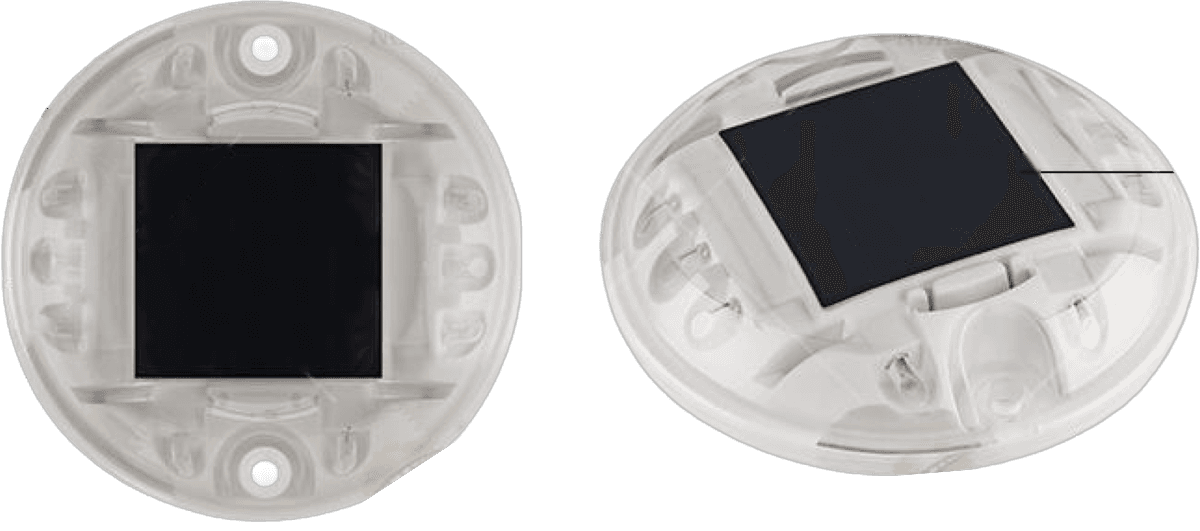
Solar Path Marker Studs
High-visibility solar path markers for safe navigation
$38.00AUD
Postage + GST included
Sources & References
Improve Night Shift Safety
Commercial-grade solar area lights for industrial yards, loading docks, and warehouses. No electrician required.
Related Articles
Continue exploring our solar lighting guides and resources