Why Power Outages Are Increasing in Australia
Australian households are experiencing power outages from multiple causes, including severe storms, heatwaves, and infrastructure damage. These events can stress the grid and extend restoration times.
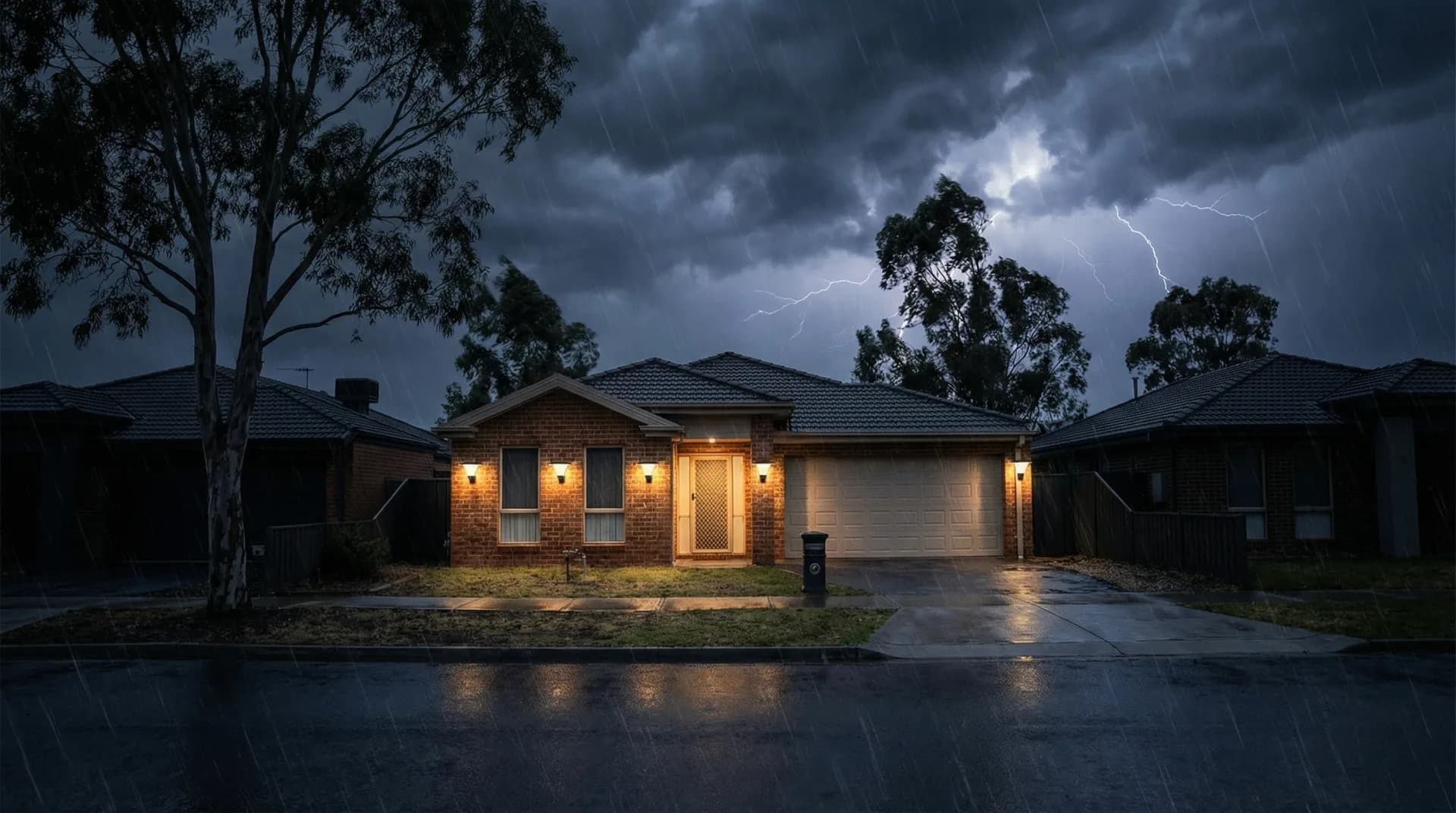
Recent storms have shown how quickly outages can impact large communities, with the February 2024 Victorian storms leaving over 500,000 homes without power.
Recent Major Outages
Victorian Severe Storms
(February 2024)Victoria
Over 500,000 homes lost power due to severe storms. Some areas experienced multi-day outages.
Cyclone Alfred
(March 2025)QLD & NSW
316,000+ properties without power at peak. First cyclone to hit Brisbane since 1974. Extended outages across southeast Queensland.
Heatwave Grid Stress
(Summer months)Multiple states
High demand and extreme weather can strain the grid and increase the risk of outages.
Your Power Outage Preparation Checklist
The SES and emergency services recommend having supplies for at least 3 days of self-sufficiency:
Emergency Lighting
- Torches with fresh batteries in accessible locations
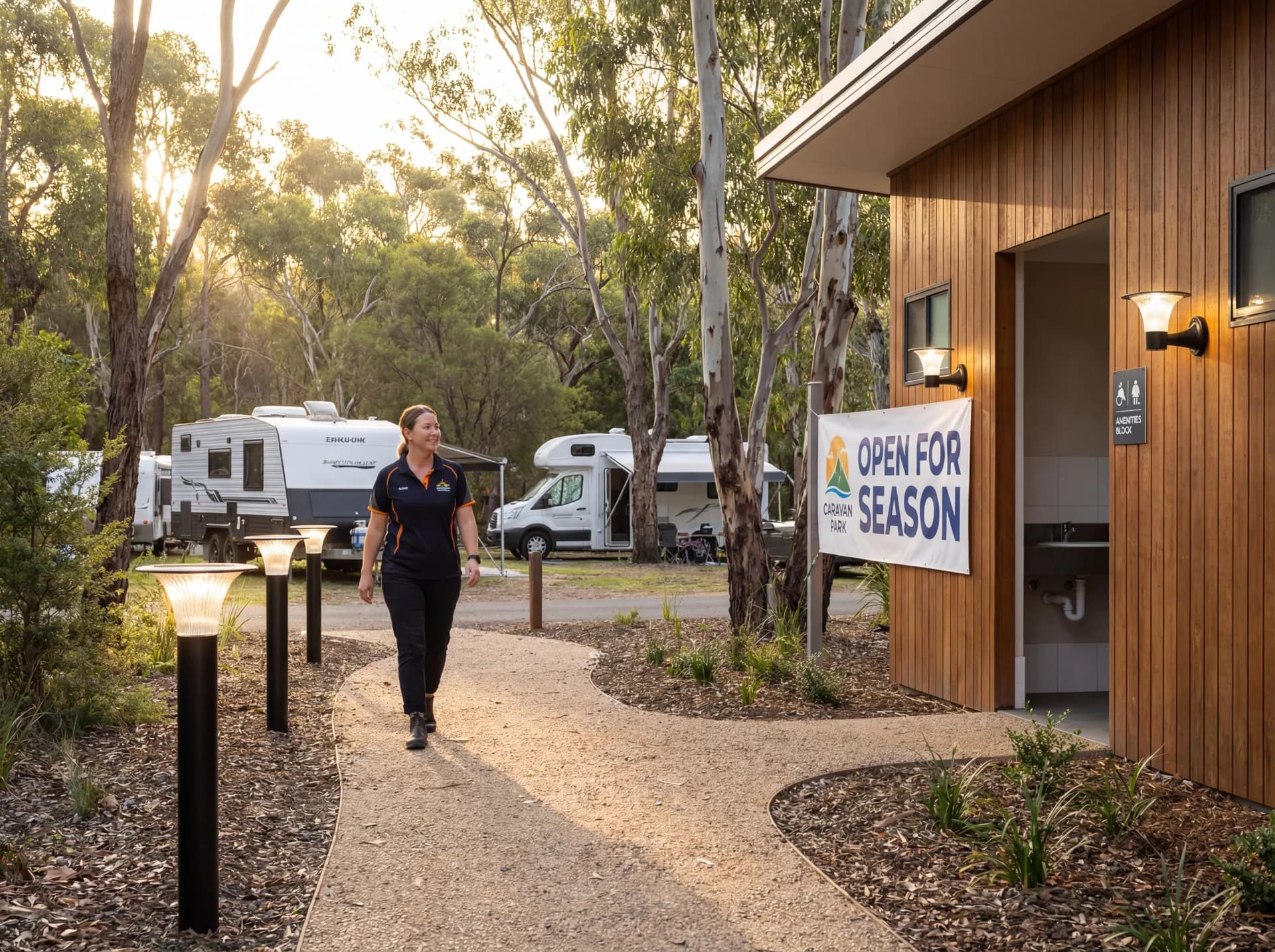
- Solar pathway lights for outdoor illumination
- Battery-powered lanterns for indoor use
- Candles with secure holders (use with caution)
- Glow sticks for children and backup
Power Backup
- Portable power station or generator (if applicable)
- Car phone charger (keep fuel above half tank)
- Solar phone charger for extended outages
- Fully charged power banks (10,000mAh minimum)
- UPS for medical equipment if needed
Communication
- Battery or wind-up radio (ABC Local for emergency broadcasts)
- Download Emergency+ app (shows your location for 000)
- Know your energy provider outage number
- Charge devices before storms when possible
- Have neighbours phone numbers stored
Food & Water
- 3+ days drinking water (3L per person/day)
- Non-perishable food supply
- Manual can opener
- Cooler with ice packs for medications
- Know fridge food safety rules (4-hour limit)
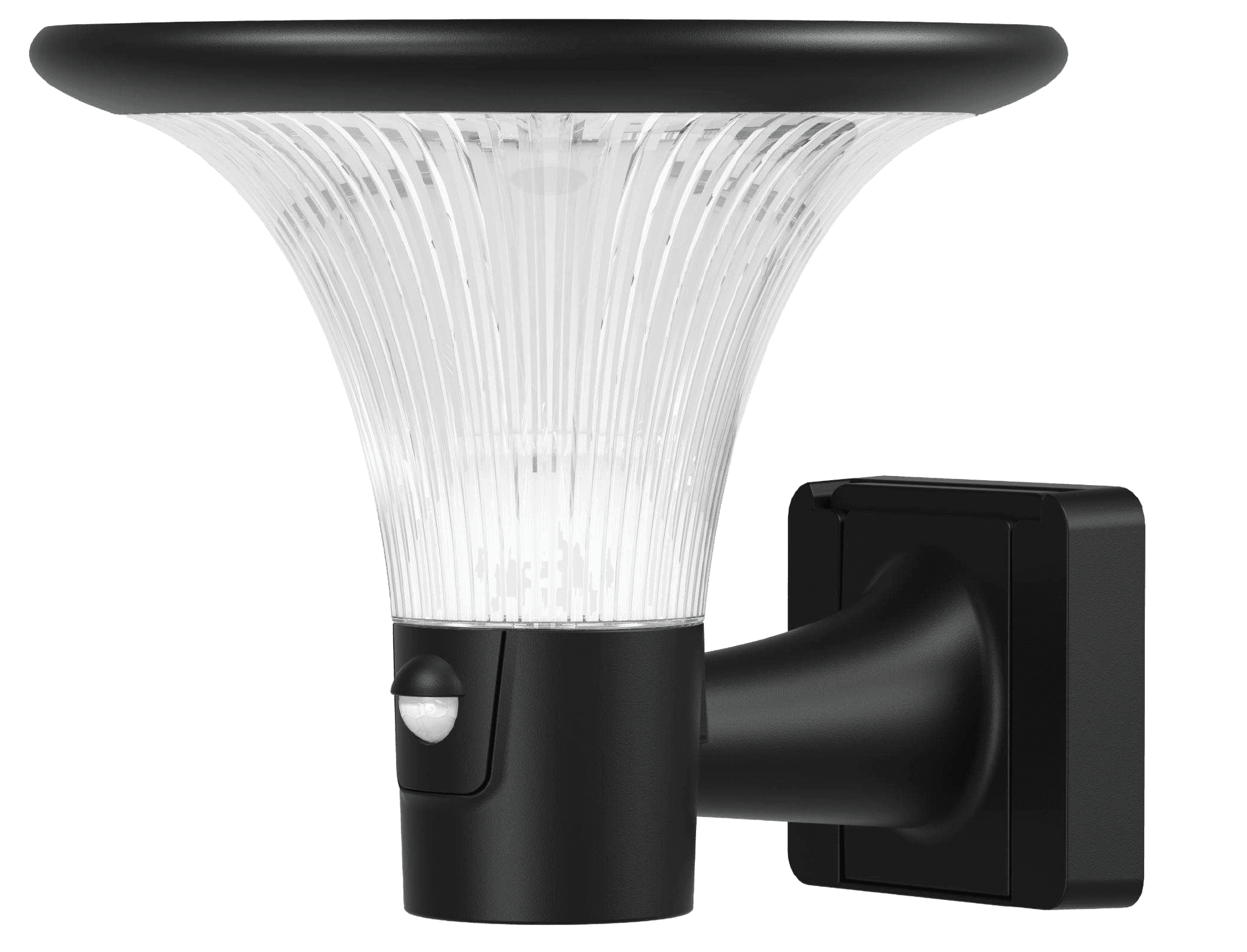
Motion-activated solar wall lights provide security and safety lighting during outages
Food Safety During Power Outages
Food safety is critical during extended outages. Follow these guidelines from Food Standards Australia New Zealand:
| Item | Safe Duration | Note |
|---|---|---|
| Refrigerator (closed) | 4 hours | Keep door closed as much as possible |
| Freezer (full, closed) | 48 hours | Half-full freezer: 24 hours |
| Meat, poultry, fish | Discard if above 5°C for 2+ hours | When in doubt, throw it out |
| Dairy products | Discard if above 5°C for 2+ hours | Including milk, cheese, yoghurt |
| Cooked leftovers | Discard if above 5°C for 2+ hours | Do not taste-test suspicious food |
Why Solar Lighting Is Your Best Backup
Grid-independent solar lighting solves the fundamental problem of darkness during outages. Unlike torches that run out of batteries or generators that need fuel, quality solar lights operate automatically and independently.
Works During Outages
Solar lights have internal batteries that provide illumination even when the grid is down — no fuel, no manual start-up required.
Multi-night Autonomy
Quality solar lights store enough power to operate for multiple nights without sun, critical during extended storm events.
Pathway Safety
Illuminated pathways prevent trips and falls when navigating your property in the dark — especially important for elderly family members.
Zero Setup Required
Unlike generators that need fuel and maintenance, solar lights work automatically with no intervention required when power fails.
Recommended Backup Lighting Products
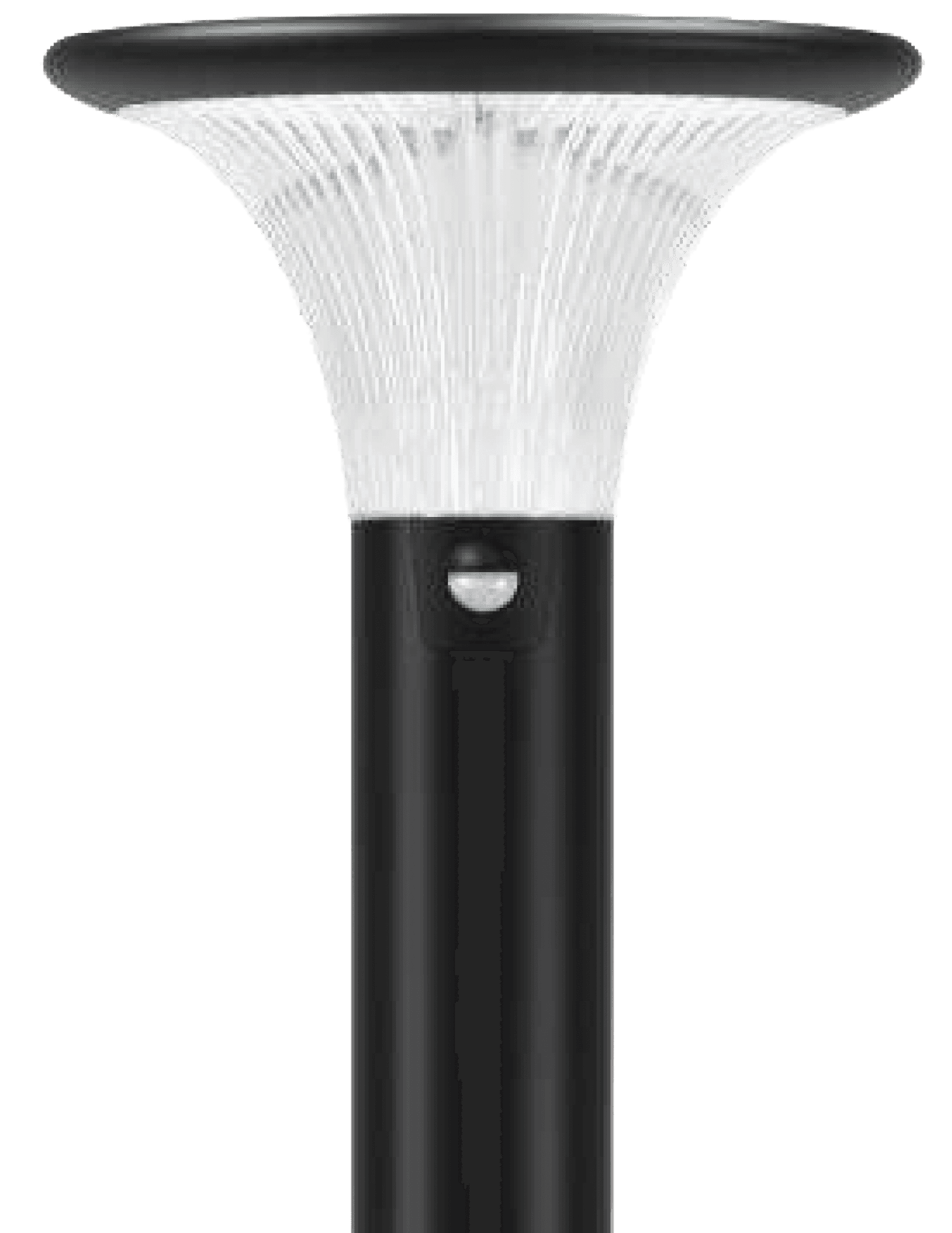
These solar lights provide reliable illumination during power outages with no fuel or maintenance required:

Emergency Contacts
- Emergency: 000
- SES (Floods & Storms): 132 500
- Check your local energy provider for outage numbers and updates
The Emergency+ app displays your location so you can read coordinates or an address to 000 call-takers.