Supporting Safe, Independent Mobility
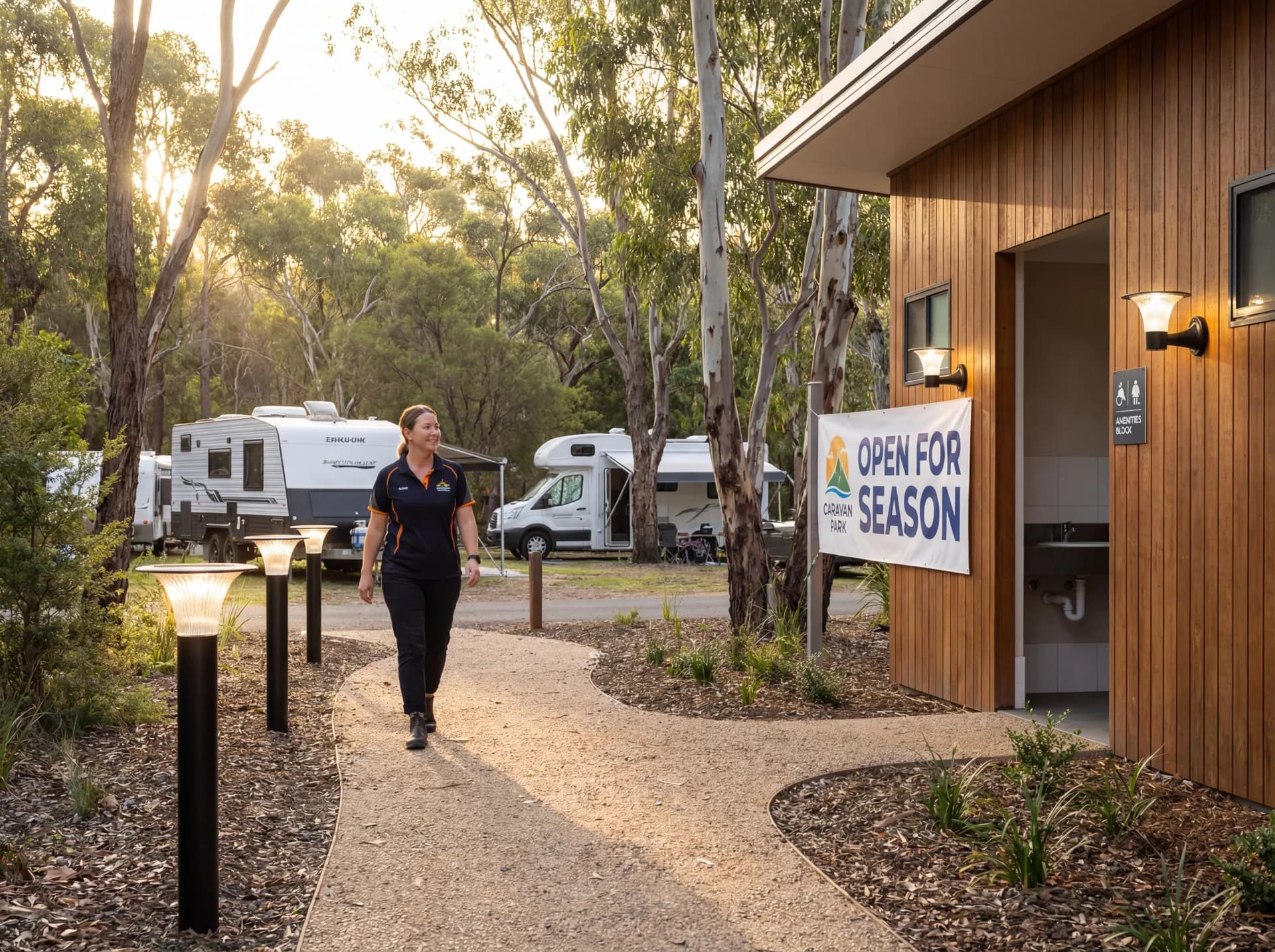
Even pathway lighting reduces shadows and trip hazards, allowing residents with walkers, wheelchairs, and mobility aids to navigate the village confidently after dark. Families appreciate knowing their loved ones can enjoy evening walks safely.
Consistent illumination along pathways supports safe evening mobility — helping residents stay active and engaged without worry. Low-glare optics reduce disorientation for aging eyes, while warm colour temperatures create welcoming environments rather than harsh industrial lighting.
For village managers, the opportunity is clear: modern solar lighting delivers reduced trip hazards and improved pathway safety without the disruption that traditional electrical upgrades would cause.
The Retrofit Challenge
Established retirement villages — particularly those built in the 1970s-1990s — face compounding lighting challenges:
Aging Infrastructure
Many villages were built in the 1970s-1990s with ornamental lighting that no longer meets modern safety standards. Underground wiring deteriorates, causing frequent outages.
Prohibitive Upgrade Costs
Replacing underground cabling requires trenching through established gardens, pathways, and nature strips. Civil works often exceed the cost of the lights themselves.
Ongoing Maintenance Burden
Traditional lighting requires regular globe replacement, electrical inspections, and repair of weather-damaged wiring — costs that compound over decades.
Resident Disruption
Elderly residents with mobility aids can't navigate construction zones. Trenching creates trip hazards and anxiety during works that may last weeks.
Australian Villages That Made the Switch
These real-world examples demonstrate how established villages have successfully transitioned to solar lighting:
Valley Village Mews
Melbourne, VIC — Built: 1980s
Challenge
Outdated ornamental street lights leaving elderly residents in the dark. System no longer fit for purpose.
Solution
100% solar street lighting with on-board batteries. No cabling or trenching required.
Outcome
"It makes evening strolls around the village far easier." Residents feel safer and more secure at night, with lights encouraging greater independence.
Meadowvale Retirement Village
Lendlease — Built: Established community
Challenge
Years of continual outages and expensive repair costs. Full underground wiring replacement deemed cost-prohibitive and too disruptive.
Solution
118 solar lights installed across pathways, driveways, and car parks. Split-system design with asymmetrical beam to control light spill.
Outcome
"Our residences now feel safe and can see wherever they walk through the village." Effective, efficient, and problem solved.
Why Solar Works for Retrofit
Solar lighting solves the fundamental retrofit problem: how do you upgrade lighting without creating the very hazards you're trying to prevent?
Zero Trenching
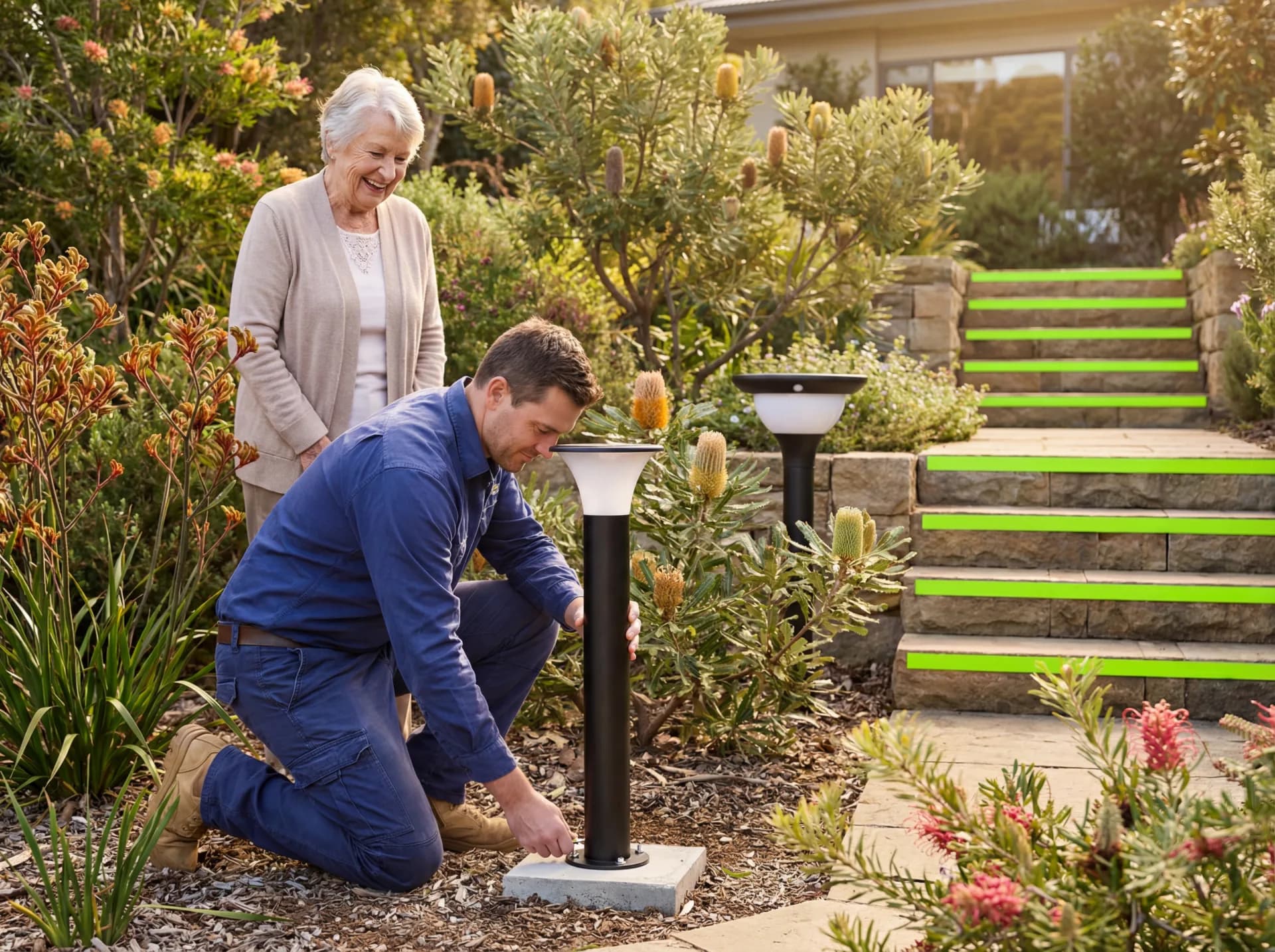
Solar bollards and lights install directly into ground or concrete without digging up pathways. No trip hazards, no construction zones.
Quick Installation
Modern mounting systems can reduce installation time and disruption compared to trenching.
No Ongoing Electricity
Each light is self-powered. No connection to grid means no electricity bills and no outages when village power fails.
Adaptive Lighting
Motion sensors maintain low-level ambience, brightening when residents approach. Reduces glare while ensuring visibility when needed.
Self-Charging
Panels charge during daylight, powering lights dusk to dawn. Maintenance is limited to occasional panel cleaning.
Warm, Comfortable Light
3000K warm LEDs create welcoming atmosphere without harsh industrial glare. Designed for residential comfort, not car parks.
Where to Focus: Application Areas
Not all areas require the same solution. Here's a practical guide to product selection by location:
Main Pathways
Recommended: Solar bollards (pathway-rated output)
High-traffic routes need consistent illumination for mobility aids and evening walks.
Garden Paths
Recommended: Lower-output solar bollards or dome lights
Softer lighting preserves garden ambience while providing safety guidance.
Car Parks
Recommended: Solar area lights (site-specific output)
Coverage for vehicle areas, especially for residents returning after dark.
Community Building Entries
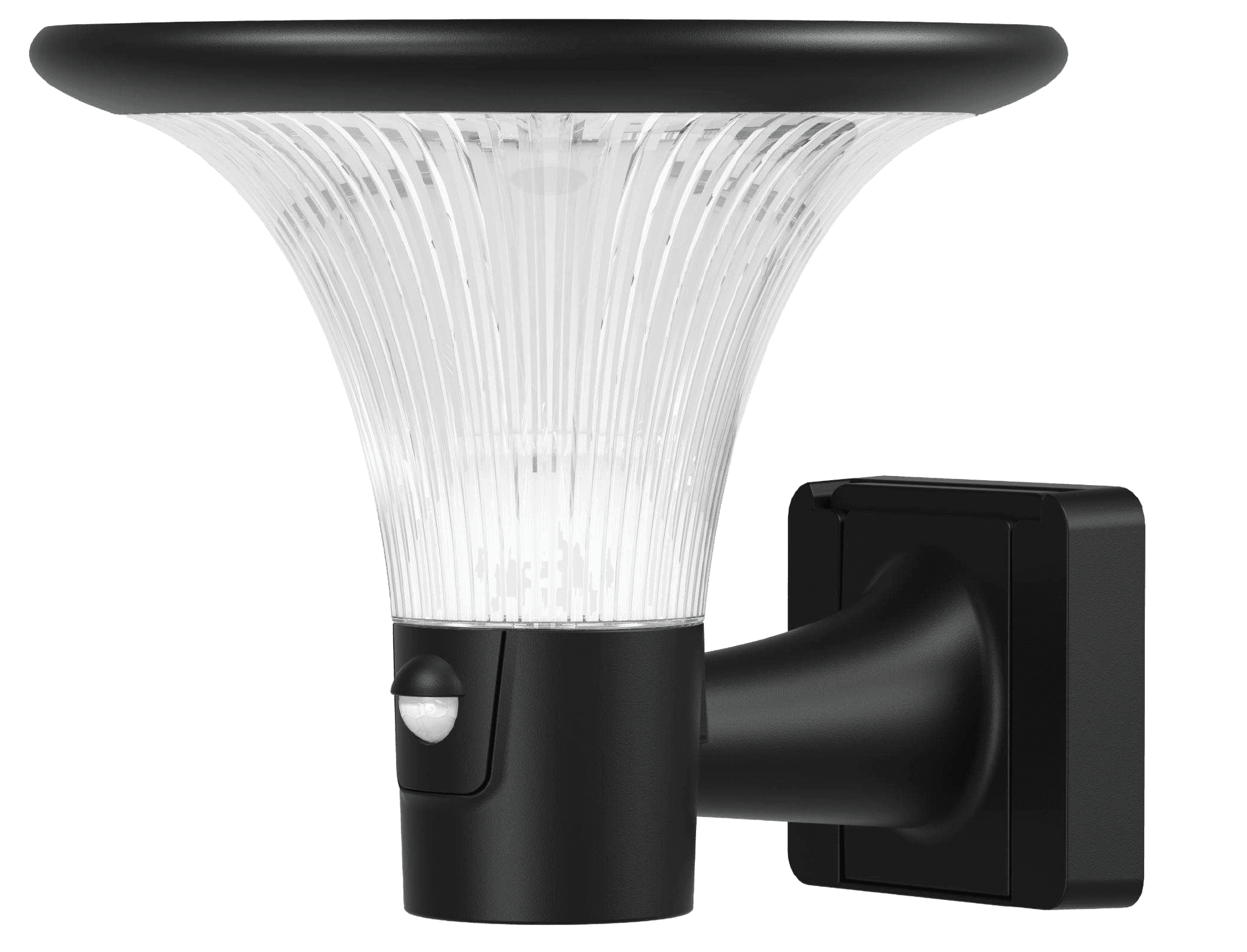
Recommended: Solar wall lights with motion sensors
Welcoming entry illumination that activates when residents approach.
Emergency Assembly Points
Recommended: Solar area lights or tall bollards
Critical for visibility during power outages when traditional lighting fails.
Recommended Products
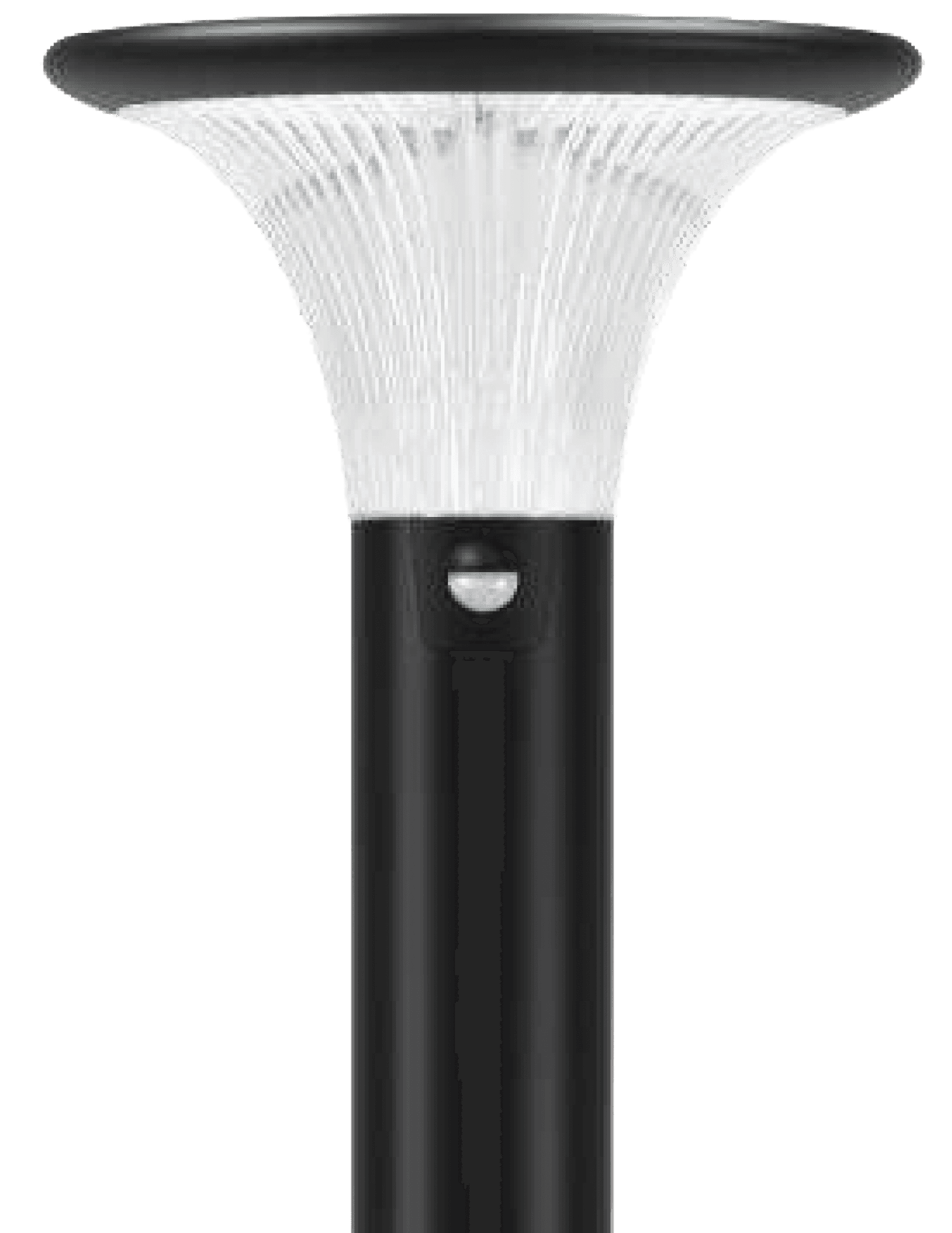
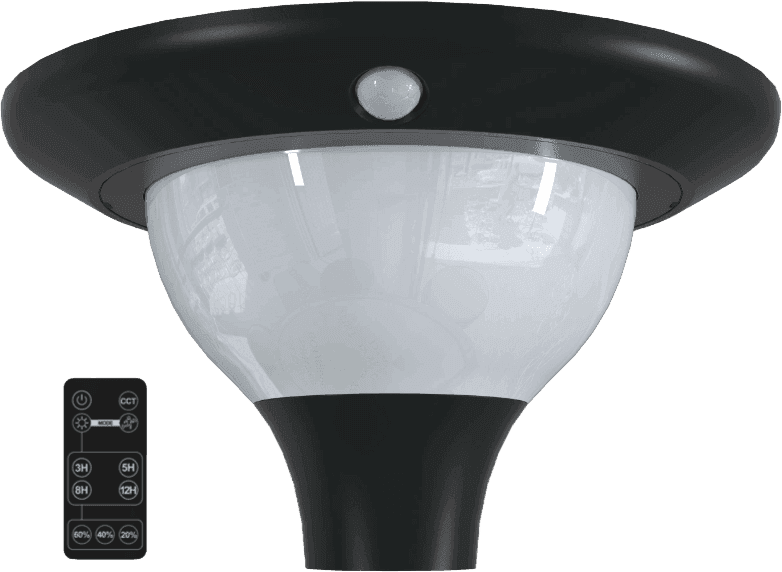
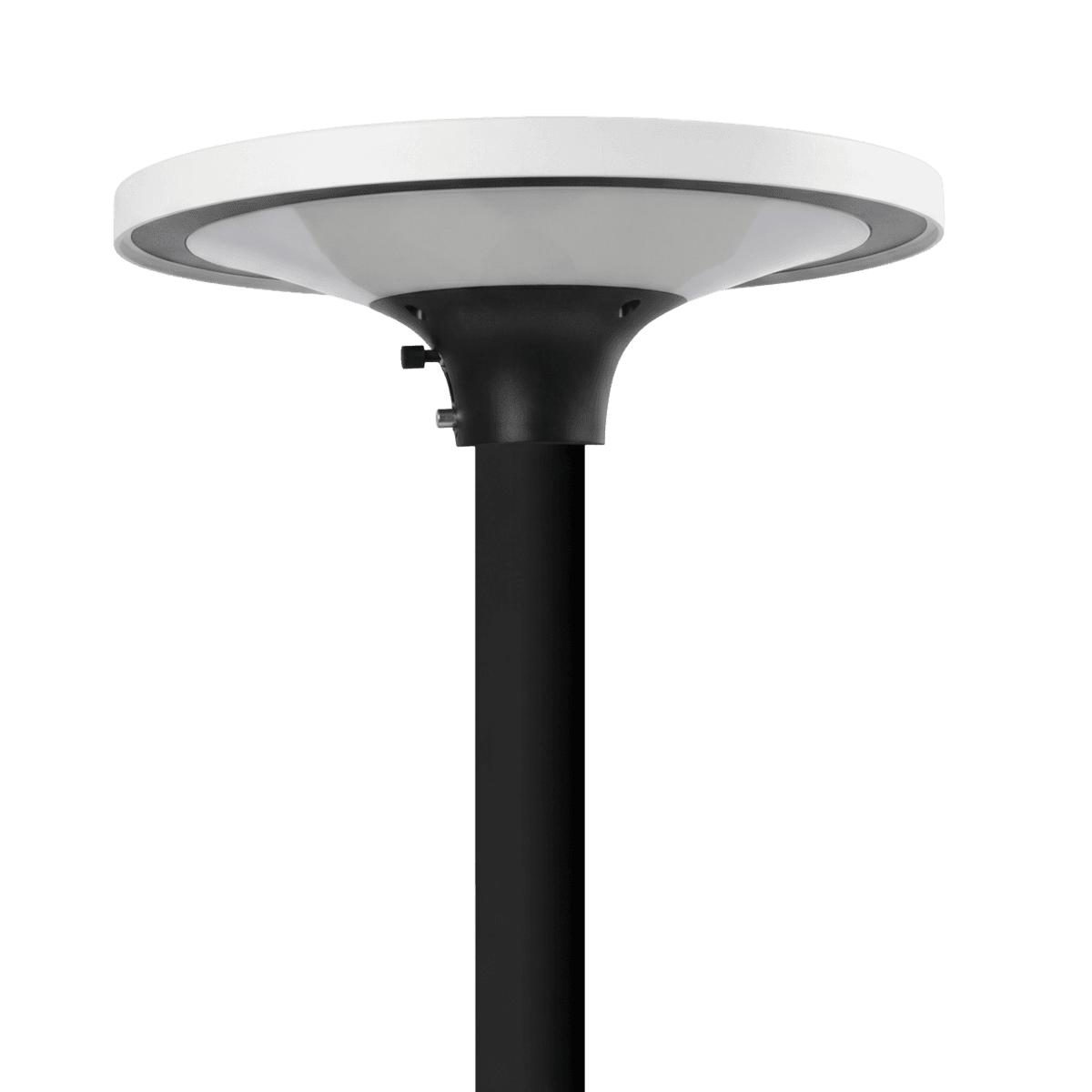
These commercial-grade solar lights are designed for the specific demands of retirement communities: warm colour temperatures, motion activation, and robust construction.
Implementation Checklist
- Audit existing lighting for coverage gaps and failure points
- Prioritise high-traffic pathways and fall-risk areas
- Consider resident mobility patterns (e.g., routes to mailboxes, community centre)
- Select warm colour temperature (3000K) for residential comfort
- Plan installation during dry weather for optimal ground conditions
- Communicate timeline to residents — emphasise minimal disruption
- Allow 3-5 days of charging before expecting full performance
The Investment Perspective
The Clean Energy Finance Corporation's analysis of seniors living highlights lighting upgrades as a strong payback measure compared to many other building upgrades.
For solar lighting specifically, the ROI equation improves further: zero ongoing electricity costs and minimal maintenance compound savings over the product lifespan.
More importantly, the liability reduction from improved fall prevention represents substantial risk mitigation — one serious fall-related injury claim can exceed the cost of a complete lighting upgrade.